
A practical 7-day Wild Atlantic Way campervan route from Karen & Co in Ballymoney, travelling through south Donegal, Sligo, Mayo, Achill Island, Connemara, Galway and Westport. Includes scenic drives, must-see coastal stops, family-friendly ideas, food recommendations and overnight options along Ireland’s west coast.
This 7-day Wild Atlantic Way campervan route starts and finishes at Karen & Co in Ballymoney, travelling west through Sligo, Mayo, Achill Island, Connemara, Galway and Westport. It is not the full Wild Atlantic Way, but it covers a rich and varied section of Ireland’s west coast, with mountain drives, beach stops, harbour towns, family activities and plenty of places to slow down.
Expect a mix of longer driving stretches and relaxed stopovers. Some roads are wide and easy, while others around Achill, Connemara and coastal viewpoints are narrower, steeper or more exposed. The route works best when you stay flexible, leave room for weather changes, and treat the van as your base for moving with the conditions.
This route is ideal for families, couples and first-time campervan hirers who want a proper west coast adventure without trying to cover the entire Wild Atlantic Way in one trip. It suits travellers who enjoy scenic drives, coastal towns, beaches, waterfalls, short walks and flexible overnight stops. If you prefer very short driving days, stretch the route over 8 or 9 days instead.
The map above is fully interactive. Click the expand icon in the top right to open it in Google Maps, where you can get turn-by-turn directions, save the route to your account, or share it with whoever you're travelling with.
Use the layer toggle in the top left to open the sidebar to turn pin categories on and off, so if you only want to see food stops or overnight spots, you can filter down to just those. Each pin matches the key above.
The stop-by-stop breakdown further down this guide gives you more detail on each location, what to expect, how long to allow, and any practical notes worth knowing before you arrive.
This is where the route starts to come alive. The stops below are not just places to pass through, they are the moments that give this Wild Atlantic Way campervan trip its shape: cliff walks, mountain roads, quiet harbours, surf beaches, family-friendly breaks and places where it is worth slowing the van down.
Some stops are big headline locations, like Slieve League, Keem Bay and Westport. Others are smaller pauses that make the journey feel richer, from a quiet Connemara road to a harbour view or a short waterfall walk. Use this section to decide where you want to spend more time, where to keep moving, and which stops best suit your pace, weather and travel style.
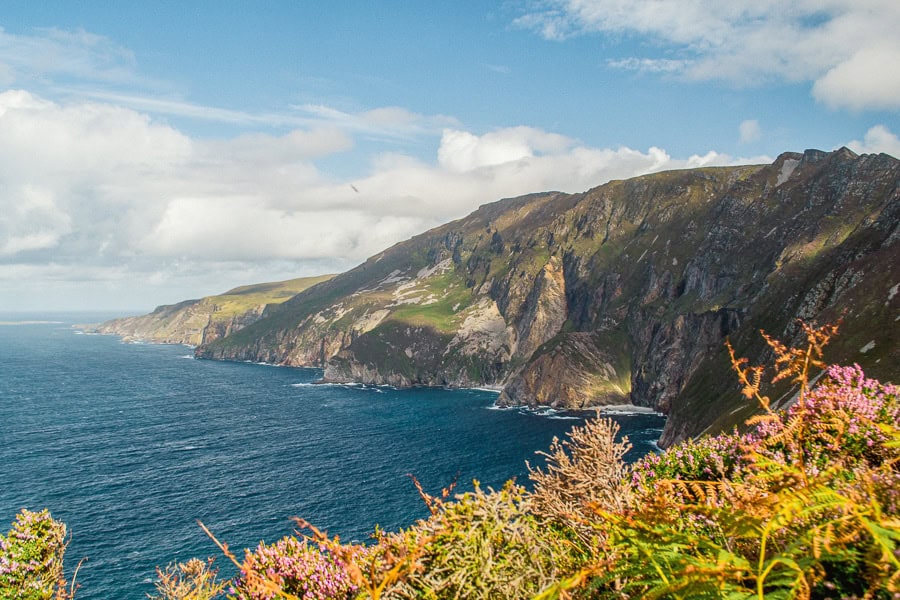
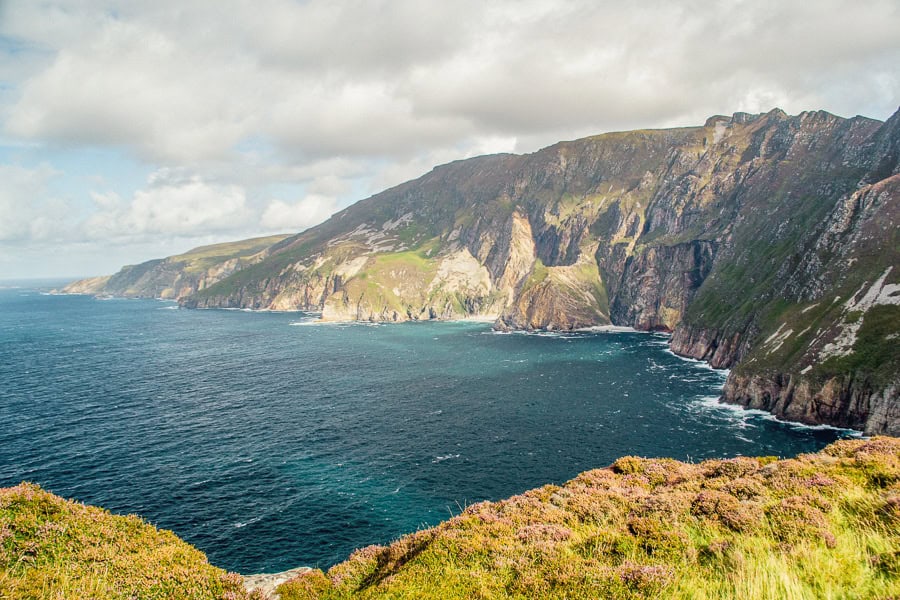
A dramatic way to begin the route. Slieve League rises almost 600 metres above the Atlantic, with huge cliff views and far fewer crowds than the Cliffs of Moher. The approach road feels remote long before you reach the viewpoint, and the short walk from Bunglass gives you the scale quickly. Clear weather is ideal, but cloud and wind add to the atmosphere. Late afternoon or golden hour makes this a powerful first stop.
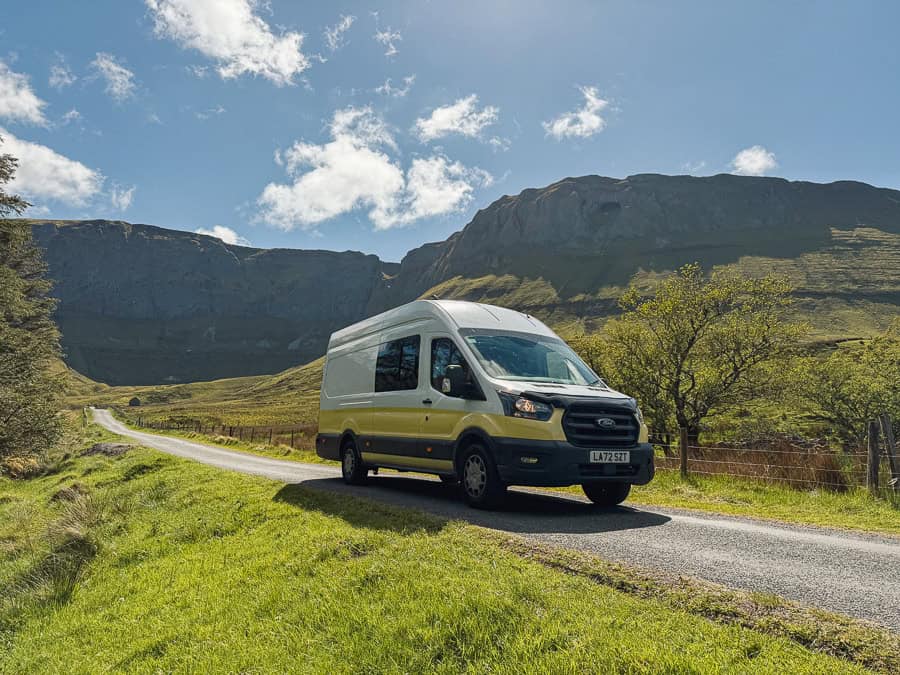
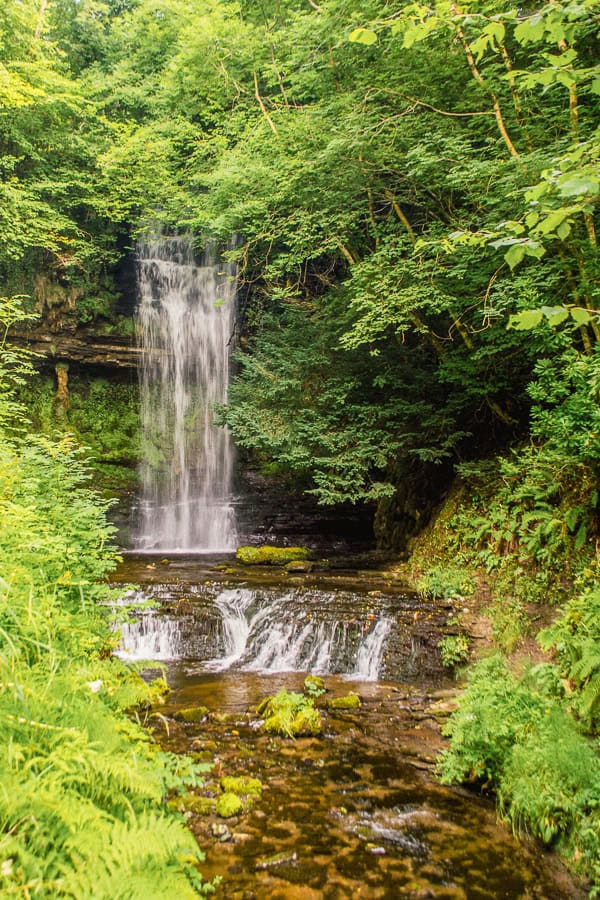
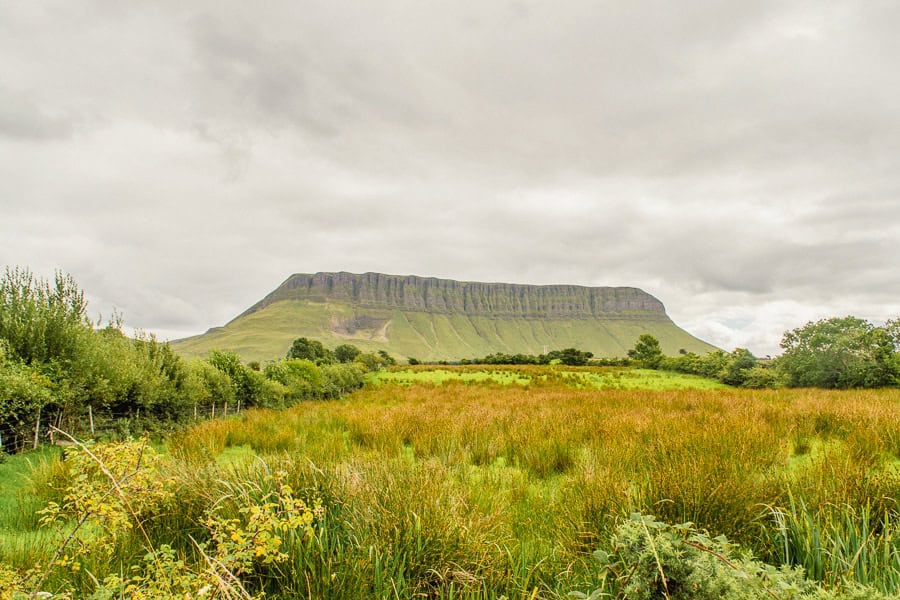
A short circular drive through a limestone valley, with steep cliffs rising on both sides and quiet roads that feel made for a campervan. There is not much to “do” here, which is the point. Drive slowly, pull in safely, and take in the views looking back through the valley. The loop takes under an hour with stops. We drove it at midday, but late afternoon light would make the cliffs look even better.
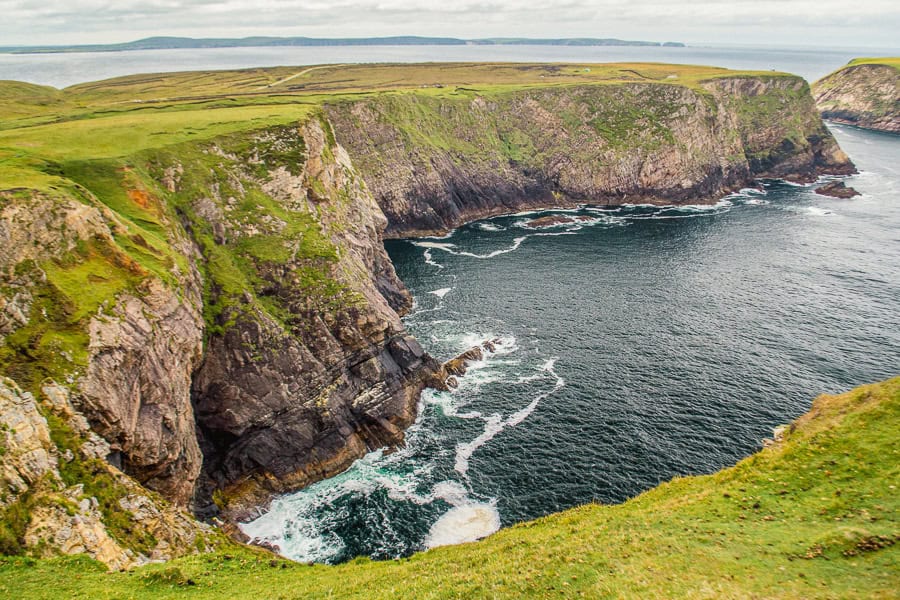
A wild detour on the way towards Achill, out near Benwee Head on the Erris Peninsula. Carrowteige feels raw, quiet and properly remote, with clifftop views where the land simply drops into the Atlantic. It adds time to the day, but the coastal drive is part of the reward. Allow time for the walk and a lunch stop in the village if you can. Skip it if you want a shorter, easier push to Achill.
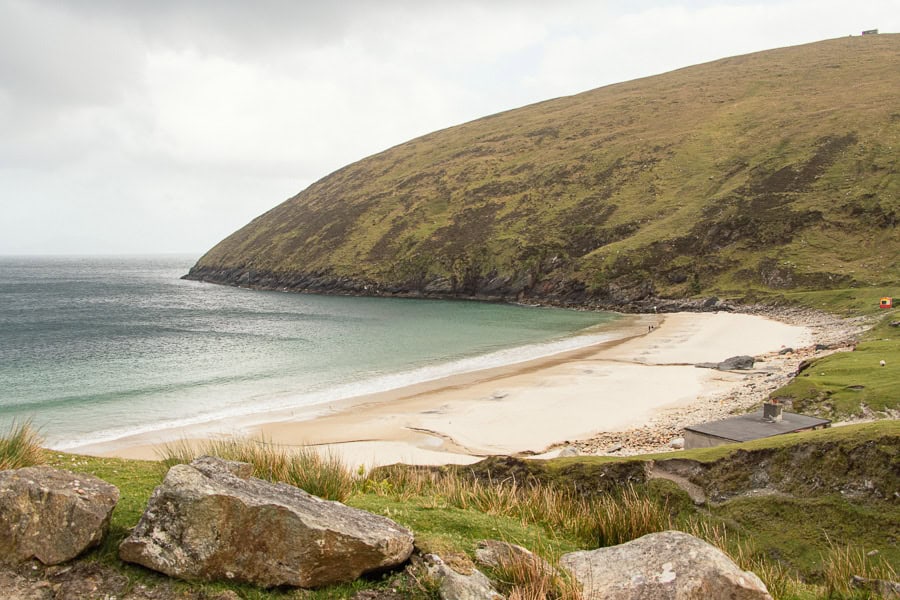
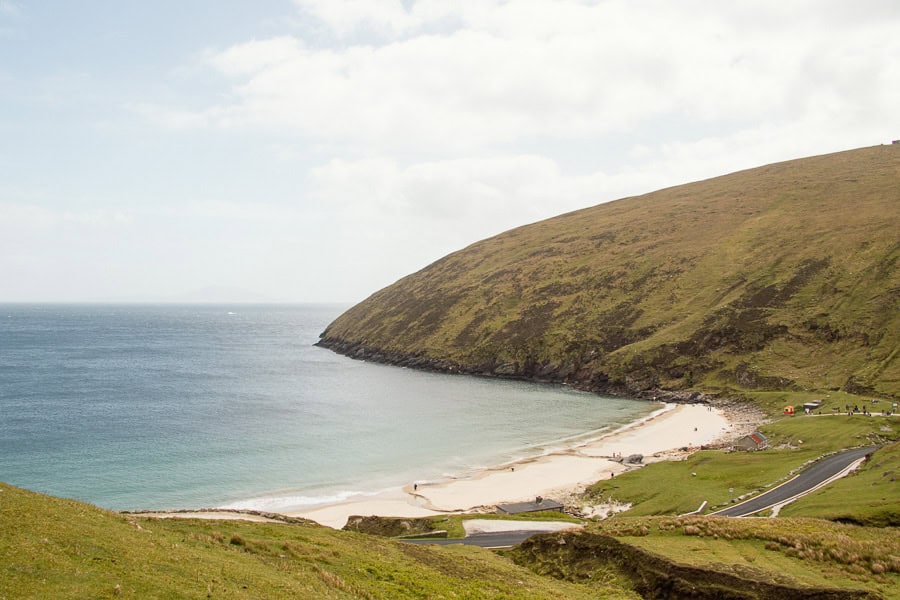
The stop that makes Achill feel unforgettable. The road climbs above the Atlantic before the bay appears below you, with pale sand, clear water and steep green hills wrapped around it. The beach is sheltered compared with the exposed road above, making it a brilliant place for a picnic, cold plunge or slow afternoon. The car park is small, so arrive early in summer. Respect local signs and treat Keem as a daytime stop before moving round to Keel for the evening.

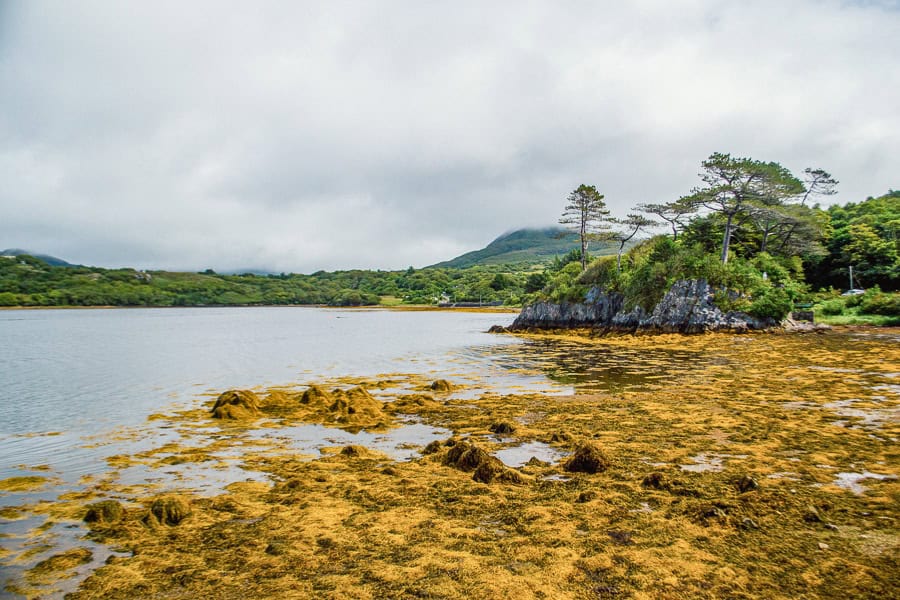
Killary Harbour is one of Ireland’s few glacial fjords, forming a natural border between Galway and Mayo. Mountains rise sharply around the water, with Mweelrea, the Maumturks and the Twelve Bens shaping the view as you drive through. It is a slower, quieter kind of stop, less about one viewpoint and more about the mood of the place. Watch for seals, otters and seabirds, and pull in safely when the fjord opens up.
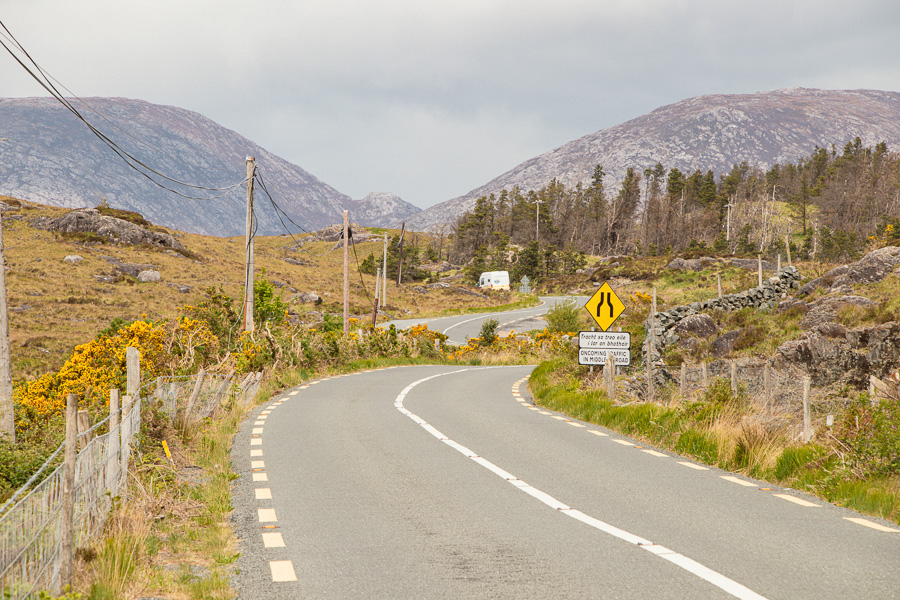
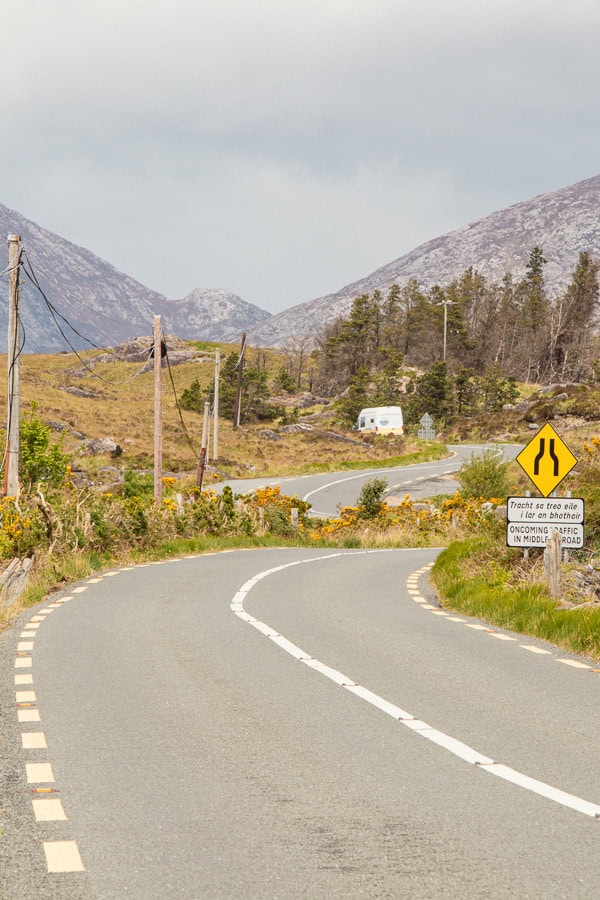
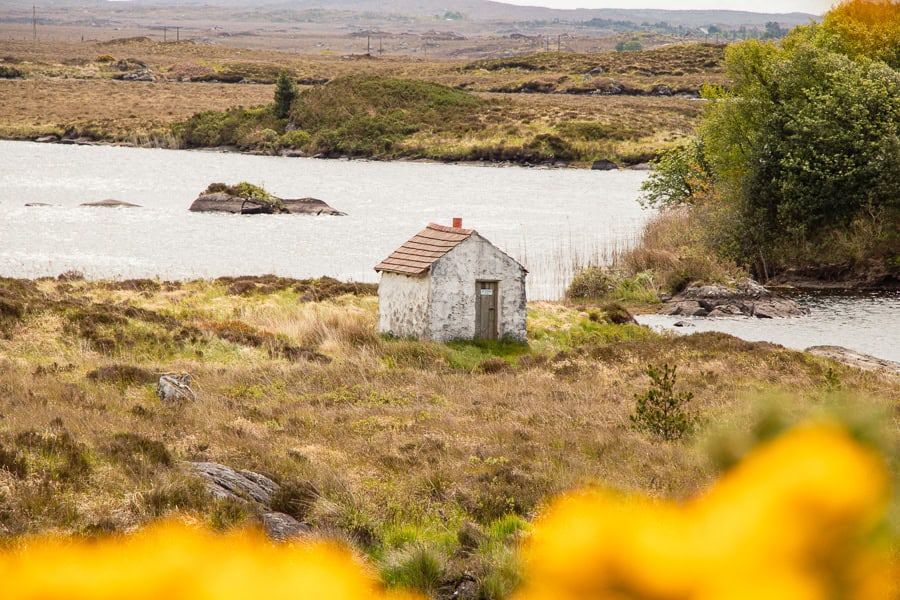
One of the most memorable drives on the route. From Spiddal, the road pulls you into proper Connemara: coastal views, open bogland, glacial valleys, mountain lakes and lonely stone cottages around Maam Cross and the R336. Screebe Waterfall is a useful marker on this section, and the old cottage near Maam Cross makes a great photo stop. Take it slowly. This is not just the road to Westport, it is one of the highlights of the whole trip.
This route works well as a three to four day trip, though you could stretch it to five days if you want more time at each stop. The itinerary below is a suggested structure, the beauty of a campervan is that you can adapt it as you go.
The plan
Camping options: South Donegal
💡 Alternative
Donegal has far more to explore than one afternoon allows. If you can stretch this trip to 8 or 9 nights, add a full day along the south Donegal coast, with more time at Slieve League, a coastal walk and a proper evening around Killybegs or Glencolmcille.
The plan
Camping options: Sligo
💡 Alternative
If the Gleniff Horseshoe does not fit naturally into Day 2, save it for the start of Day 3. It sits roughly on the route south towards Achill, so Sligo → Gleniff Horseshoe → Achill makes a simple and scenic flow without forcing too much into one evening.
The plan
Camping options: Achill Island
💡 Alternative
If Carrowteige feels like too much, drive direct from Sligo to Achill via Ballina instead. This gives you a shorter driving day and more time to enjoy Keem Bay in the afternoon. Carrowteige is one of the most remote and rewarding detours on the route, but it does add time, so only include it if you want a fuller coastal day.
The plan
Camping options: Connemara
💡 Alternative
If Diamond Hill feels like too much after a full driving day, choose Ellis Wood instead. It is shorter, easier and genuinely beautiful, with old Atlantic woodland, wooden steps and a small waterfall at the end. Save Diamond Hill for a clear day when you can give it proper time.
The plan
Campervan parking note
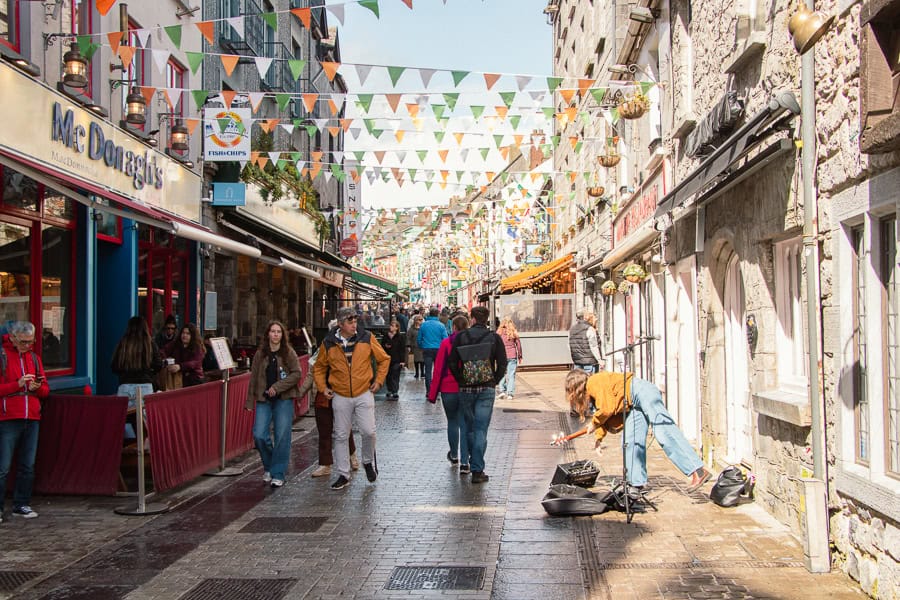
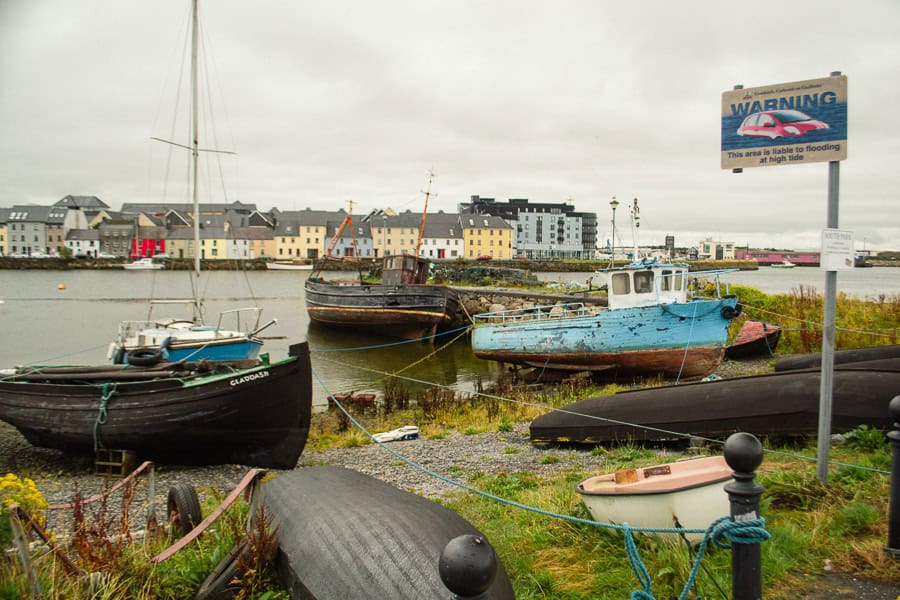
Some Galway harbour car parks have height barriers, so check clearance before entering with a taller campervan. Roadside parking around the quays may be more suitable, but always check signs, restrictions and payment details.
Camping options: Galway / Spiddal
💡 Alternative
Skip Galway and drive straight to Spiddal for the harbour, craft village and a quieter evening if a city stop does not suit your pace.
The plan
Camping options: Sligo coast
💡 Optional detour
If you are starting from Clifden instead of Spiddal, add the Sky Road before heading north. It is a short panoramic loop with excellent coastal views and works best when it fits naturally into your route.
The plan
Optional last stop
💡 Alternative
If you would rather avoid a longer final morning, drive further north on Day 6 and stay closer to Ballymoney. This makes dropoff easier, especially if you are travelling with children or need extra time to empty the van before returning it.
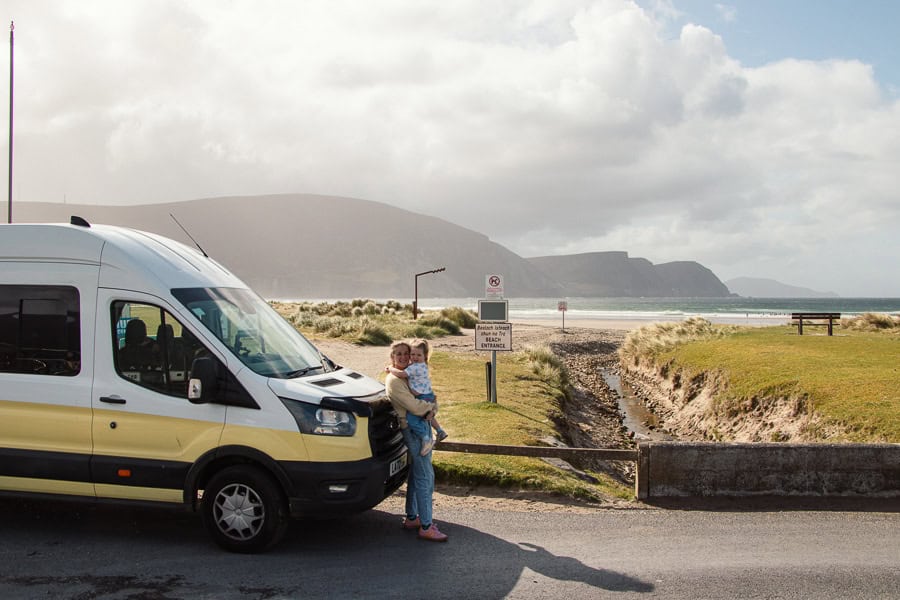
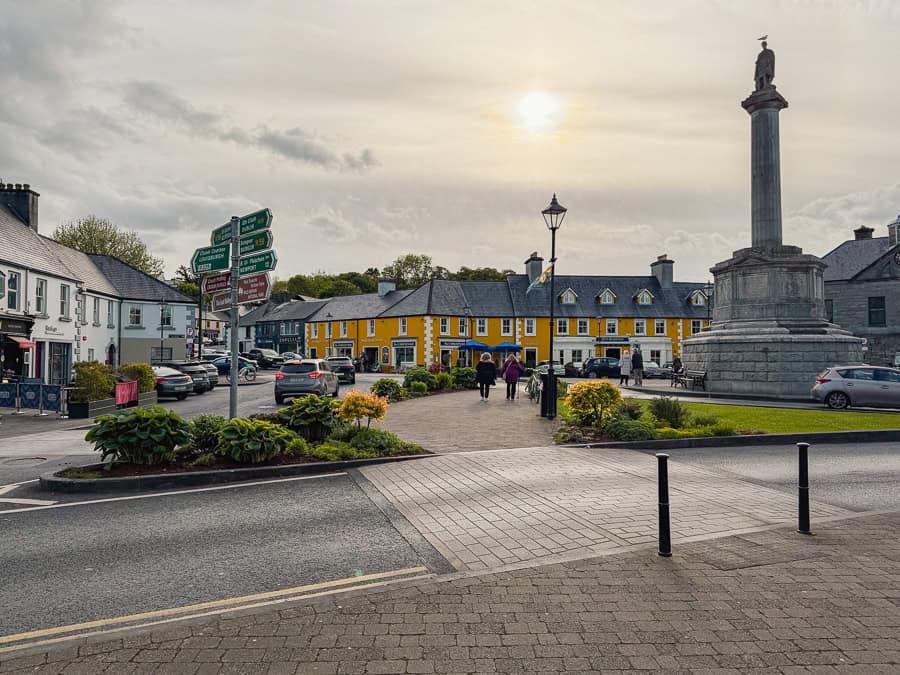
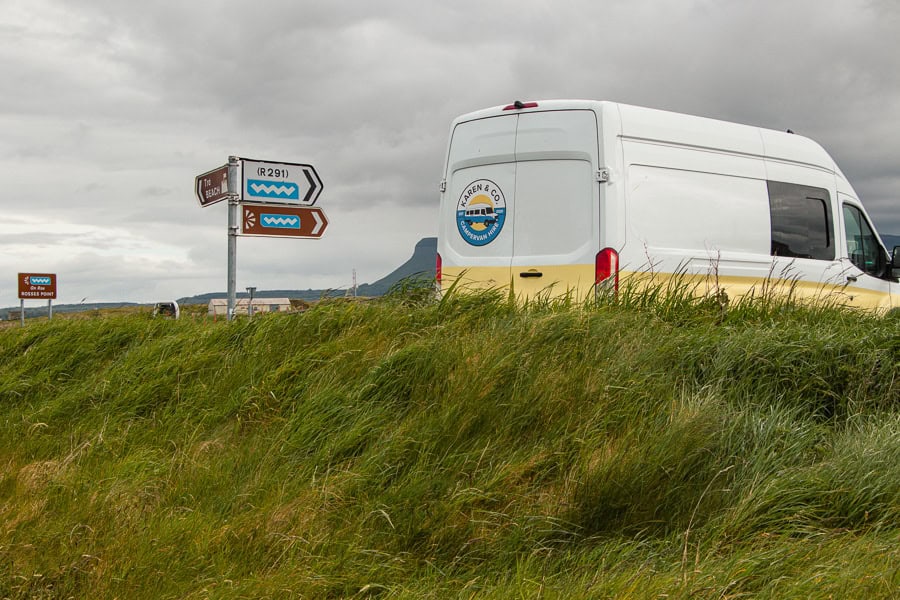
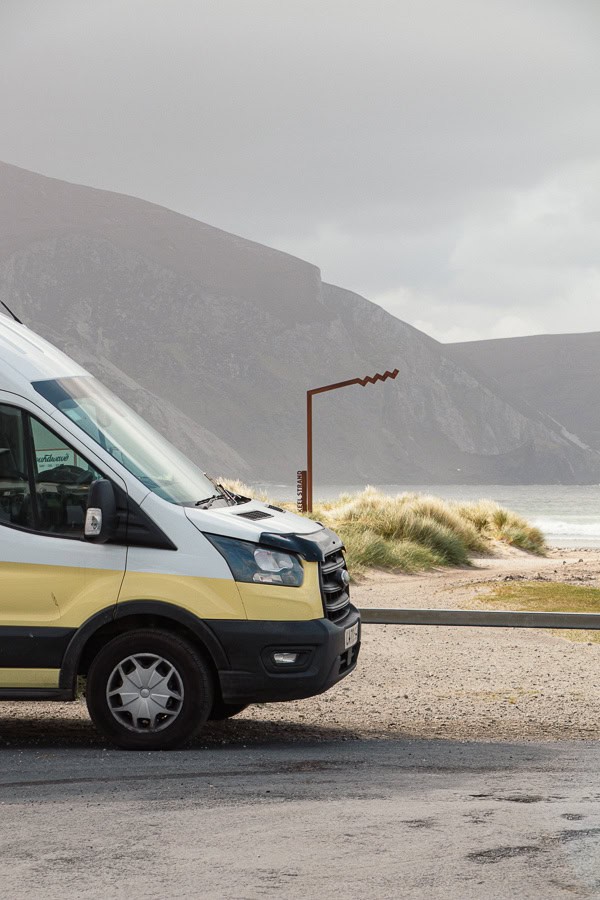
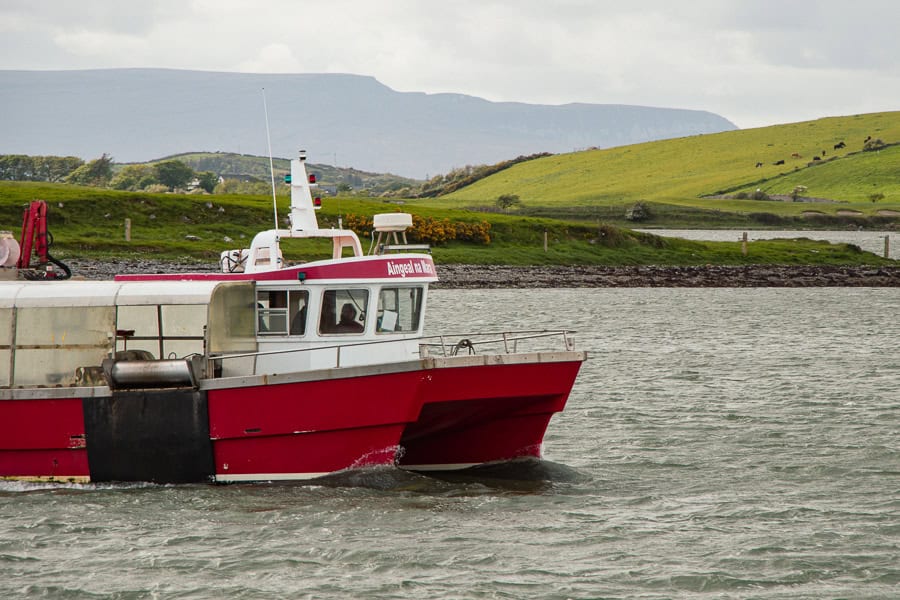
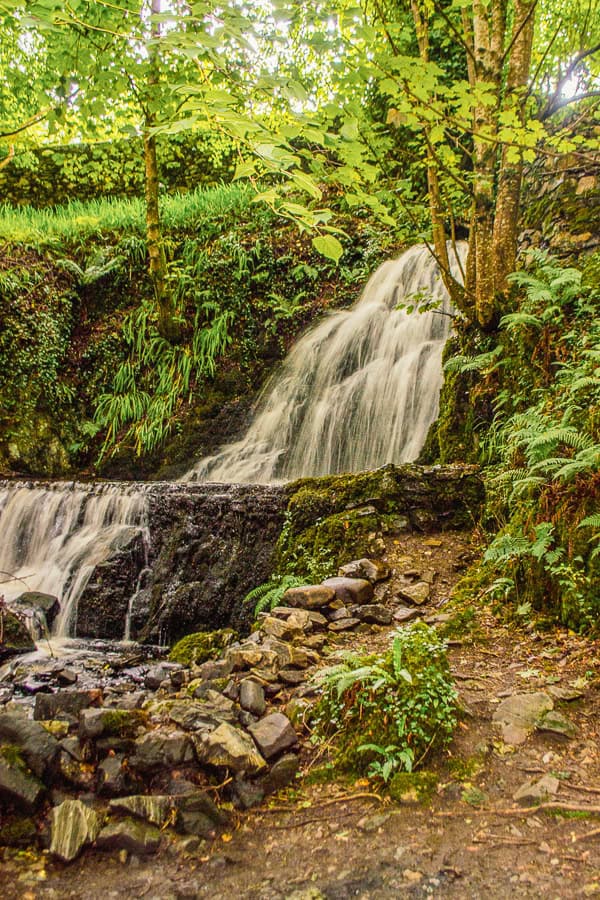
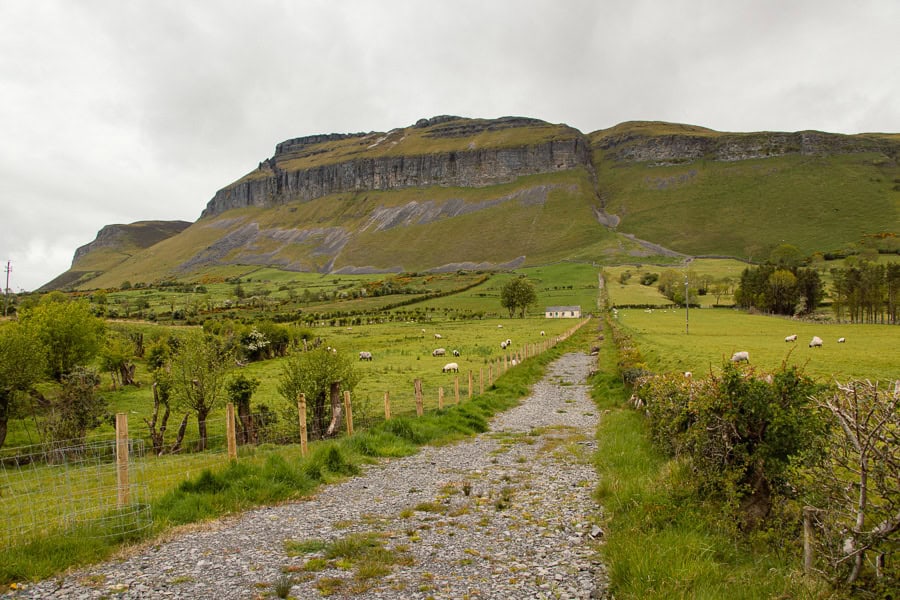

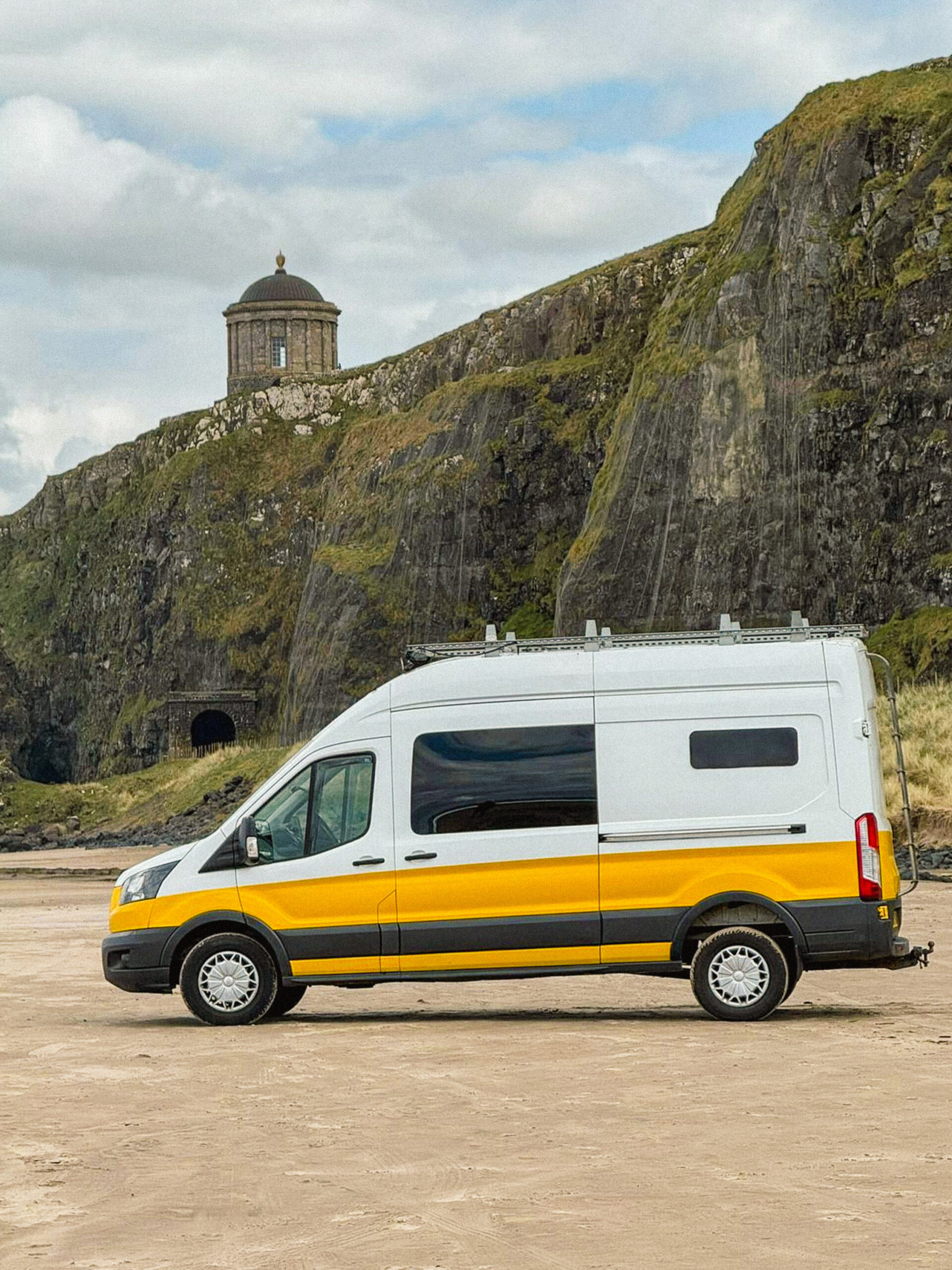
For this longer Wild Atlantic Way route, we recommend choosing one of Karen & Co’s Premium campervans. Kerry, Kitty and Klaudia give you the comfort, space and flexibility needed for longer drives, mixed weather and overnight stops along the west coast.
The Wild Atlantic Way rewards flexibility. One day might be calm enough for Keem Bay, the next might be better suited to Galway, Westport or a sheltered woodland walk in Connemara. Travelling by campervan means you are not locked into one fixed base. You can move with the weather, stay longer when the light is good, and change plans without repacking the whole trip.
This route includes some longer driving days, but the van makes them easier. Food, layers, beach gear, waterproofs, kids’ bags, bikes and scooters can all travel with you, so every stop feels more relaxed. Instead of checking in and out of accommodation, your base is already with you.
It is especially useful for families. On our trip, Kerry comfortably carried two adults and three children, with two booster seats in the back and one child seat in the front. For a route with beaches, towns, cliff walks and changeable Atlantic weather, that extra space makes a real difference.
Site by Verosia Studio
Site by Verosia Studio

