Donegal is made for a campervan road trip, but it is easy to underestimate how much ground there is to cover. This flexible loop starts and finishes at Karen & Co in Ballymoney, heading first for Inishowen and Malin Head before following the coast south through Fanad, the Donegal Gaeltacht, Ardara and Sliabh Liag.
The Wild Atlantic Way begins on the Inishowen Peninsula before turning south along Donegal's coast. The route brings together ancient forts, open beaches, lighthouses, mountain roads, Gaeltacht communities and some of Ireland's most dramatic sea cliffs.
Distances can look short on a map, but progress is slower on Donegal's smaller roads. A modest stretch can easily fill an afternoon once you include a beach walk, a mountain viewpoint and a stop for coffee. Treat the mileage as a planning guide, not a daily target.
The route is designed to be shortened. Stages 1 and 2 make a good Inishowen long weekend from Ballymoney, but leave enough time to travel back and return the van by 10:30 a.m. For the full Donegal experience, allow time to travel south without rushing past Fanad, the Gaeltacht and Sliabh Liag.
Use the stage selector and filters to explore scenic stops, walks, food, supplies and overnight options. The pins are for planning, not turn-by-turn navigation or confirmation that parking is permitted. Check campsite availability, ferry sailings and local rules before travelling.
This is where the route starts to come alive. These stops are more than places to pass through. They give the trip its shape: cliff walks, mountain roads, quiet harbours, beaches, family-friendly breaks and places worth slowing down for.
Malin Head, Fanad Lighthouse, Errigal and Sliabh Liag are the headline stops. Make room for smaller moments too, such as a harbour stroll in Dunfanaghy, a beach walk at Maghera or a visit to a craft workshop in Ardara. Choose the stops that suit your pace, the weather and the people travelling with you.
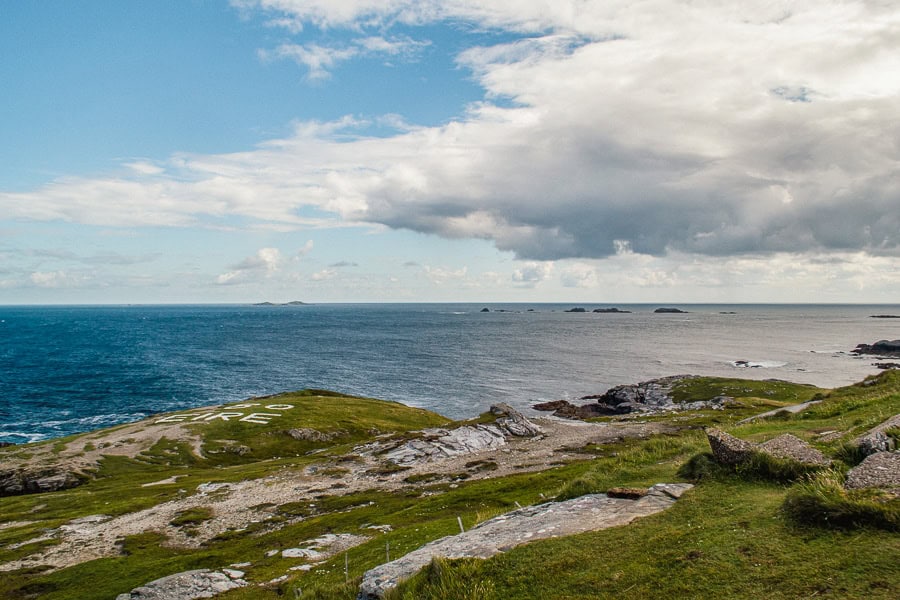
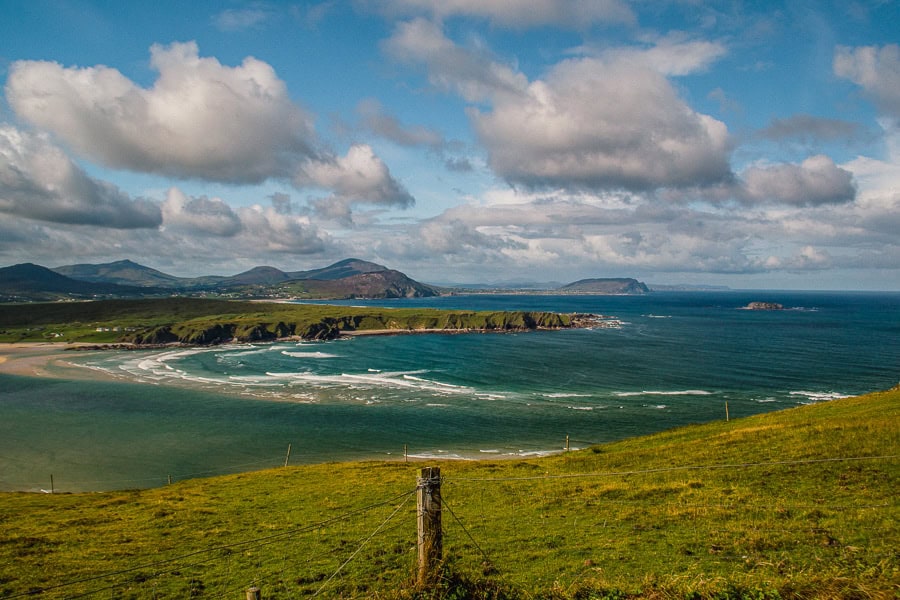
Malin Head is Ireland's most northerly point and a natural anchor for the opening part of the trip. The wider Inishowen route brings together Fort Dunree, Mamore Gap, Glenevin Waterfall, Ballyliffin, Five Finger Strand and Doagh Famine Village. It is worth giving the peninsula a full day rather than trying to fit it around the journey from Ballymoney.
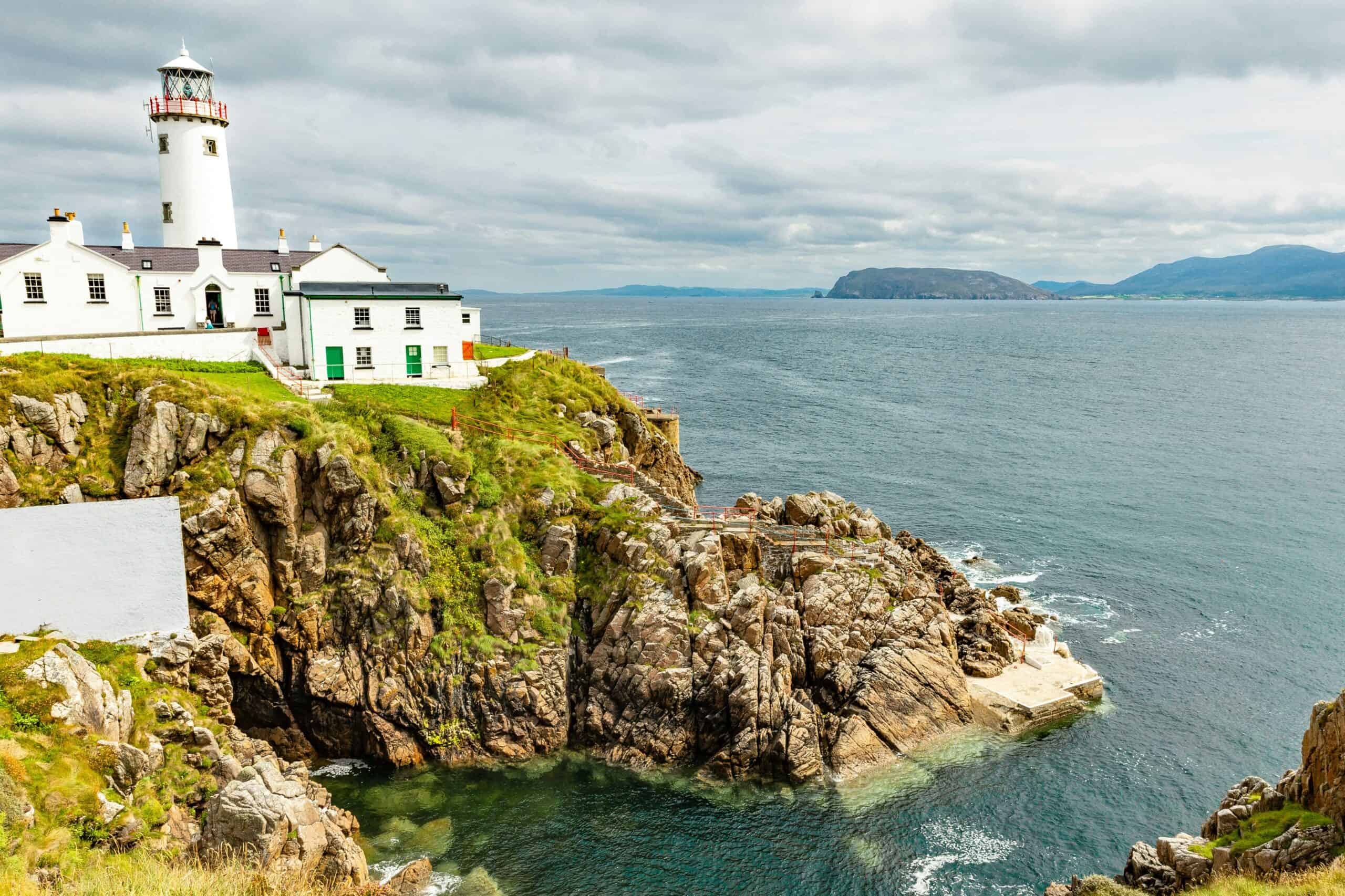
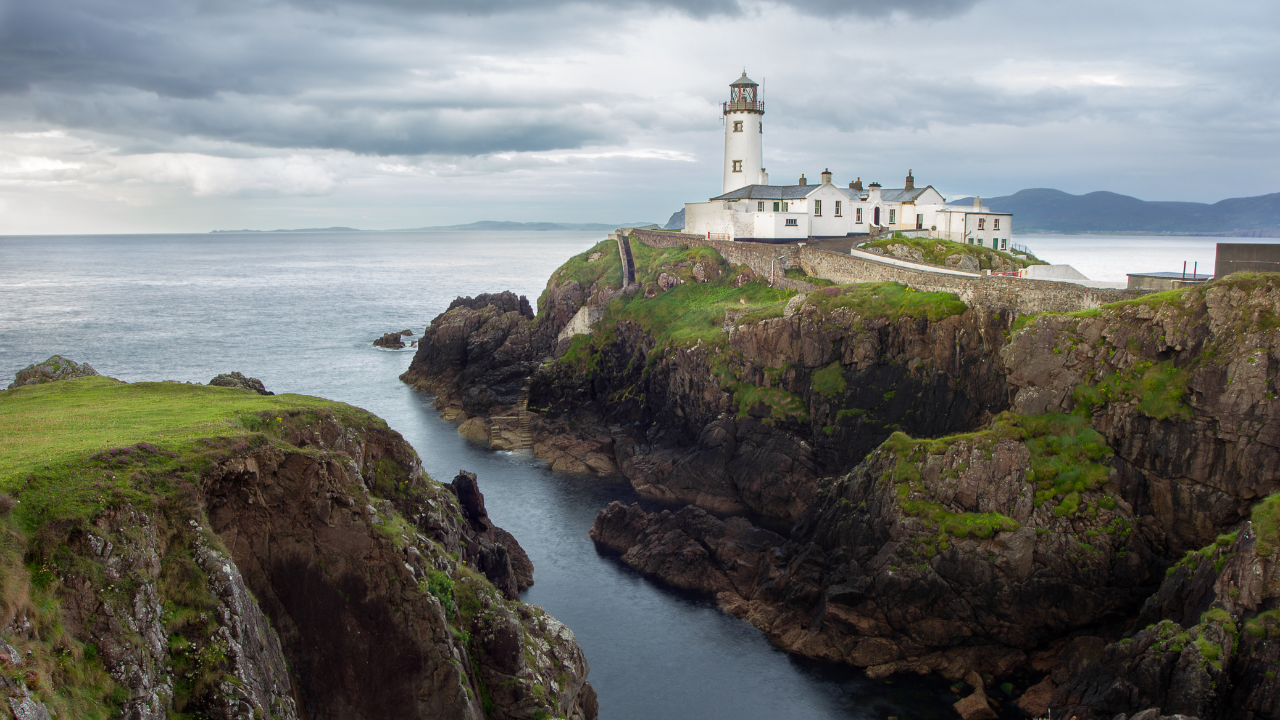
Fanad Lighthouse stands between Lough Swilly and Mulroy Bay, surrounded by a quieter stretch of Donegal coastline. Pair the lighthouse tour with Ballymastocker Bay, Portsalon and the Atlantic Drive around Rosguill. In season, the Lough Swilly ferry creates a memorable shortcut from Buncrana to Rathmullan.
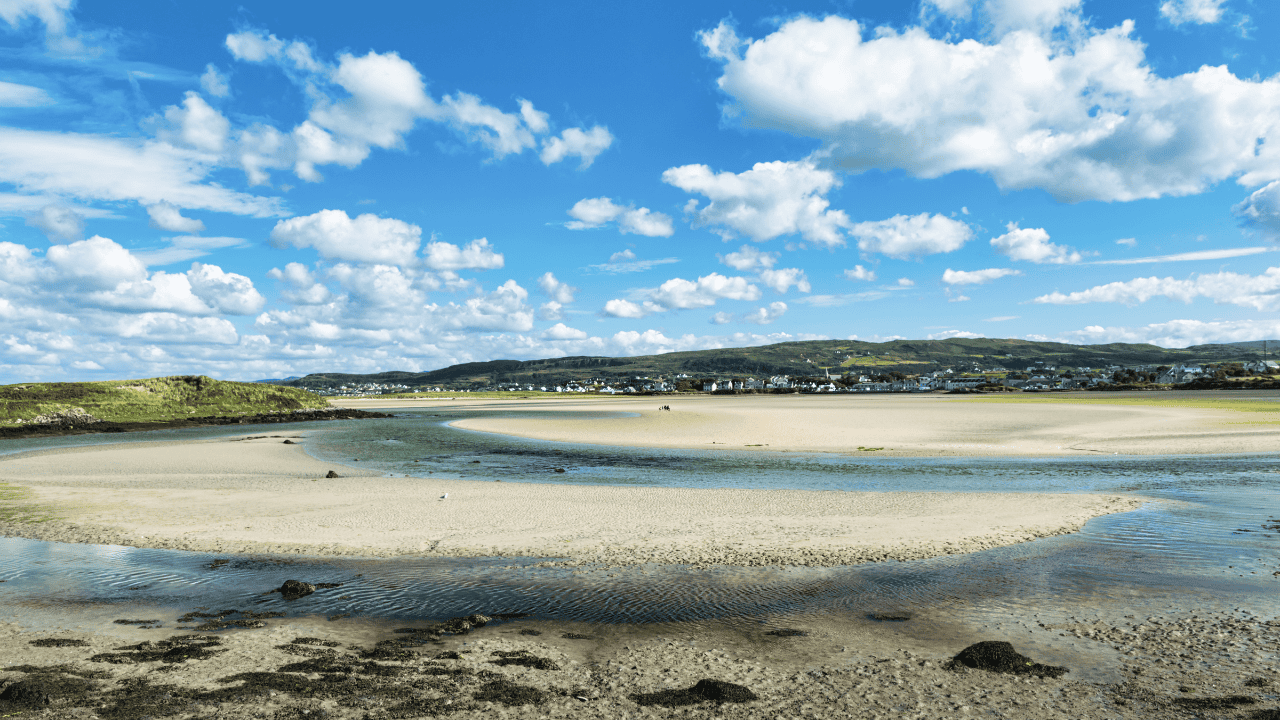
Dunfanaghy makes a useful base for Killahoey Beach, Ards Forest Park and the headlands around Sheephaven Bay. It also gives the route a good weather alternative, with shorter woodland and coastal walks that still work when the mountains are hidden by cloud.
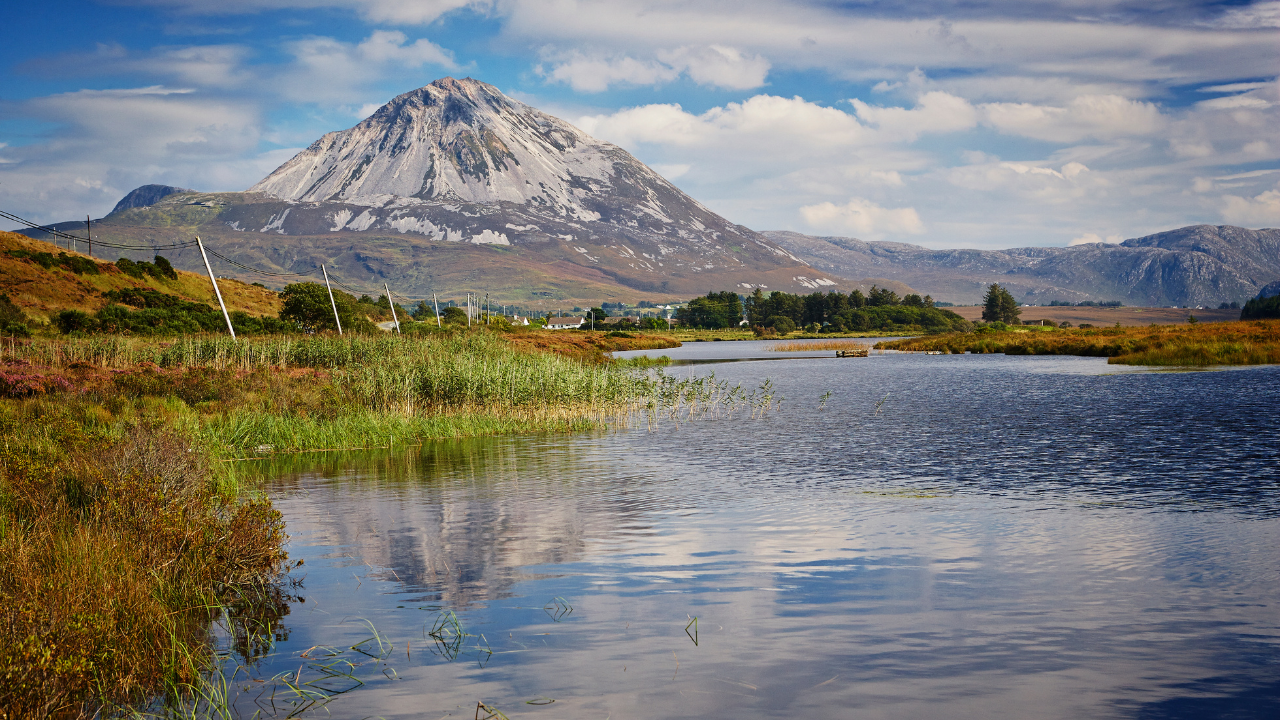
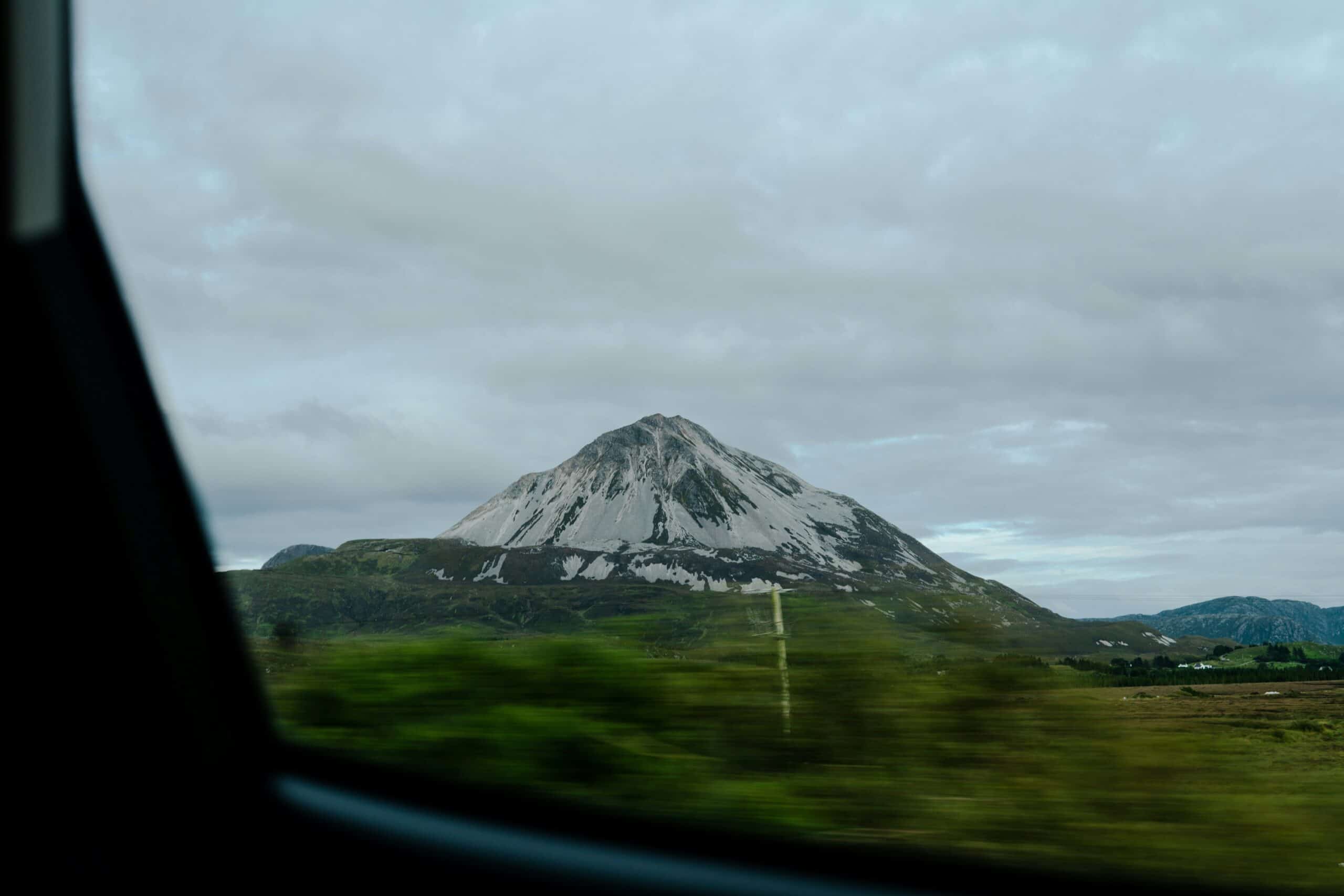
The road past Dunlewey opens up views of Errigal and the Poisoned Glen before continuing into Gweedore and the Rosses. Irish is widely spoken here, and the route feels shaped by music, craft and local culture as much as scenery. Crolly Distillery, Leo's Tavern, Bunbeg Harbour and Carrickfinn Beach all fit naturally into this stage.
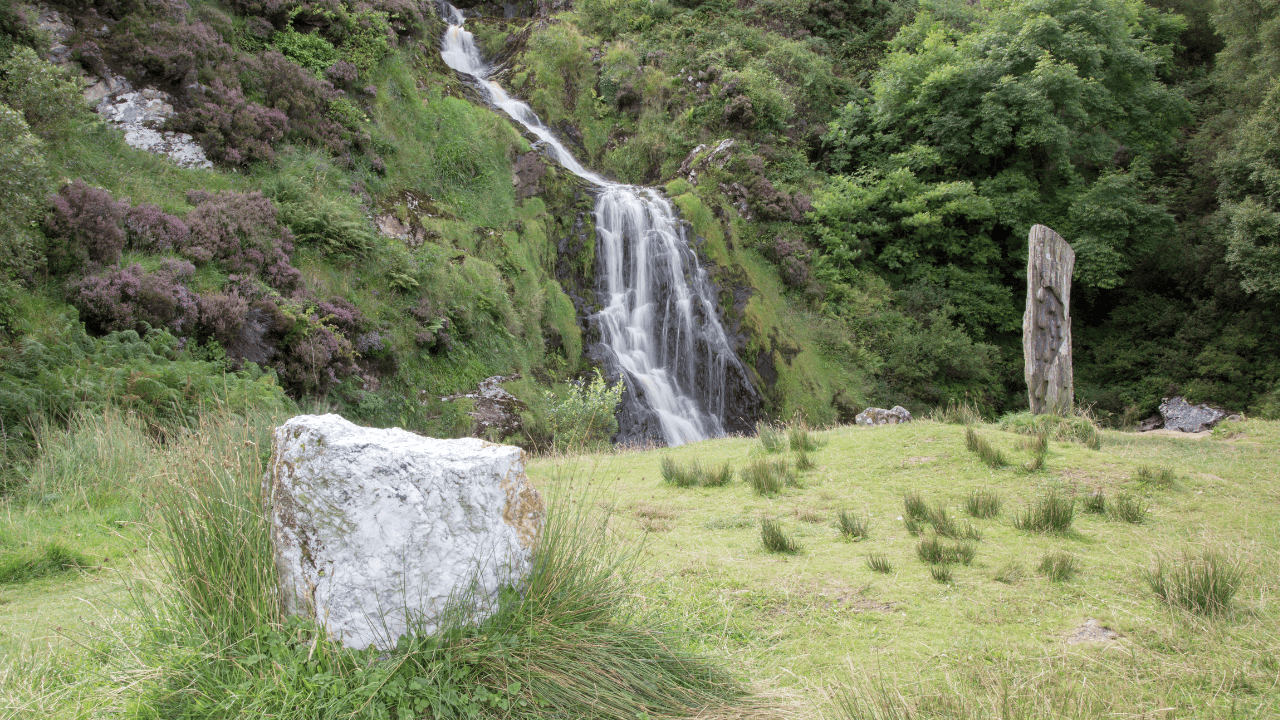
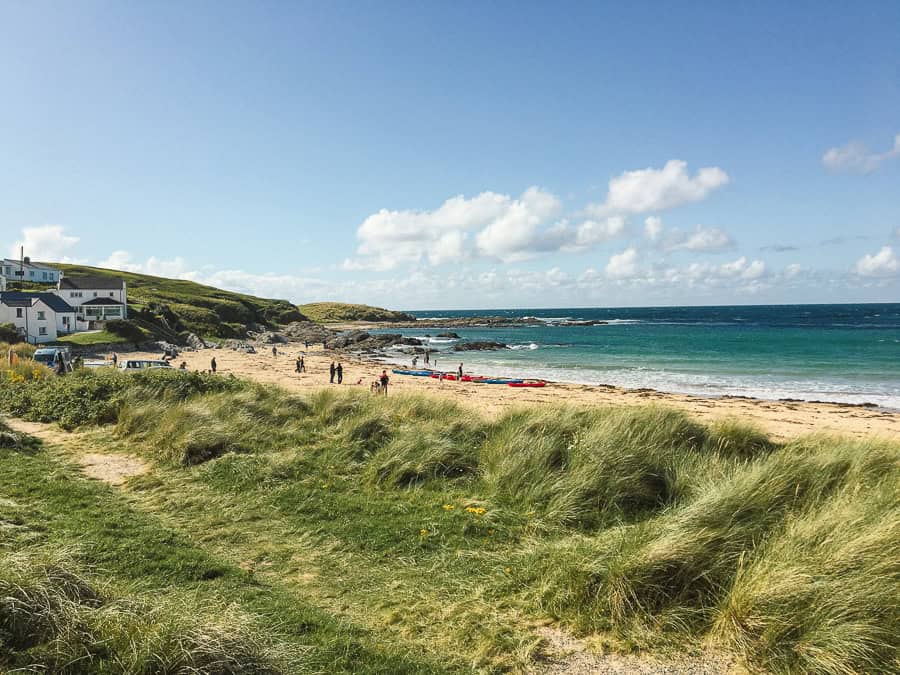
Ardara is a strong base for Donegal tweed, local food and traditional music. From here, the route reaches Assaranca Waterfall and Maghera Beach before crossing Glengesh Pass towards Glencolmcille and Silver Strand. The roads are slower, but this is one of the most rewarding parts of the loop.
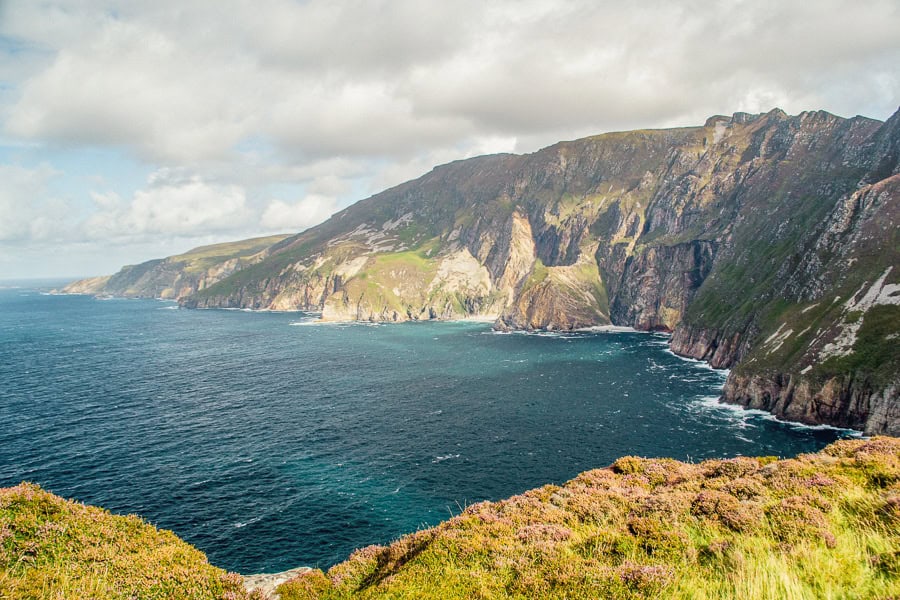
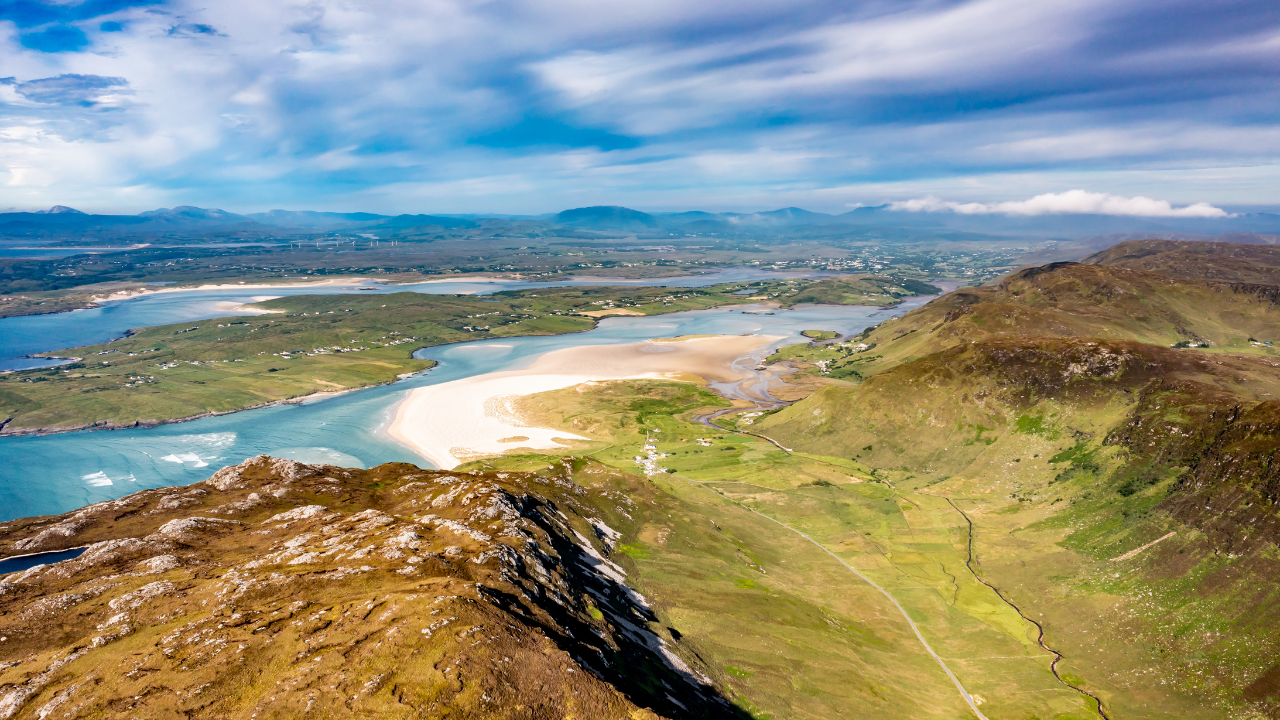
Sliabh Liag is one of the great landmarks of south Donegal, with wide Atlantic views from Bunglas when the weather is clear. Teelin, Kilcar, Killybegs and Donegal Town give the final stretch a good mix of walking, craft, seafood and history before the inland journey back towards Ballymoney.
Allow 6 to 8 days for the full Donegal loop, with 5 to 7 nights. Each stage is a suggested direction of travel rather than a fixed daily target. If you only have a long weekend, enjoy the Inishowen stages and save the western coast for another trip.
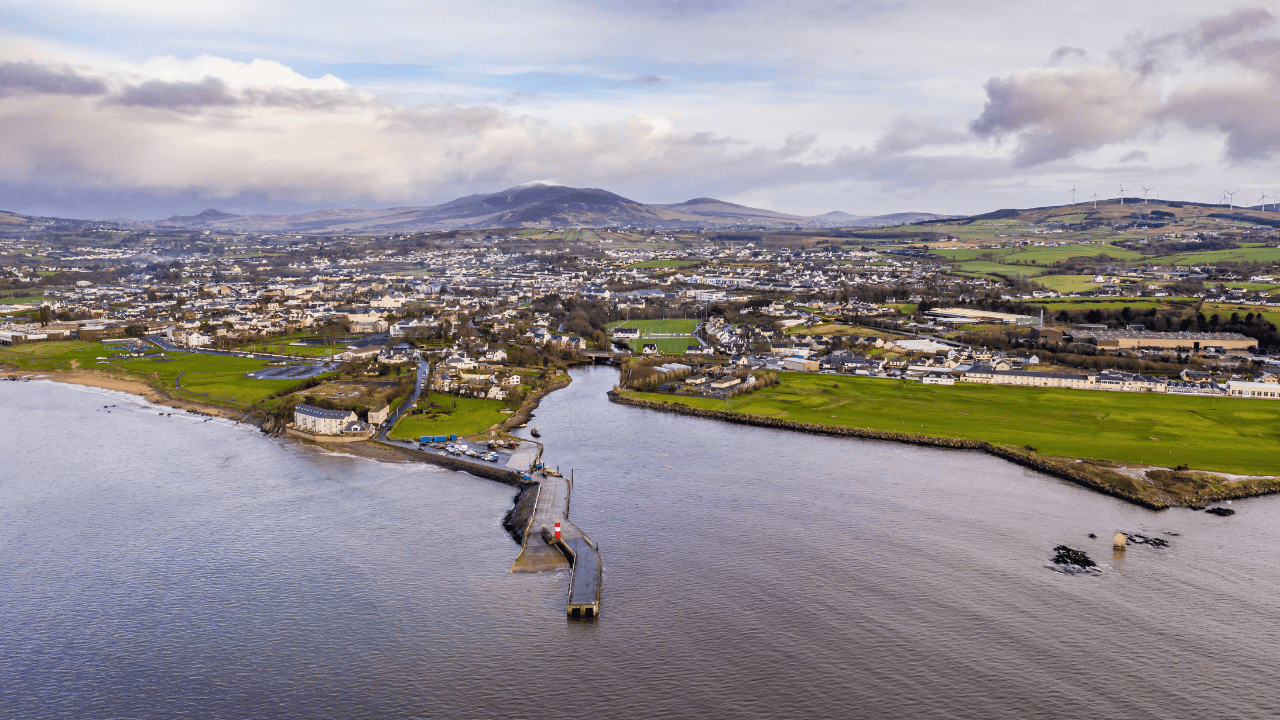
Collection is in the afternoon, so keep the first stage simple. Head west from Ballymoney towards Derry, cross into Donegal and continue towards Burt, Buncrana and the shores of Lough Swilly.
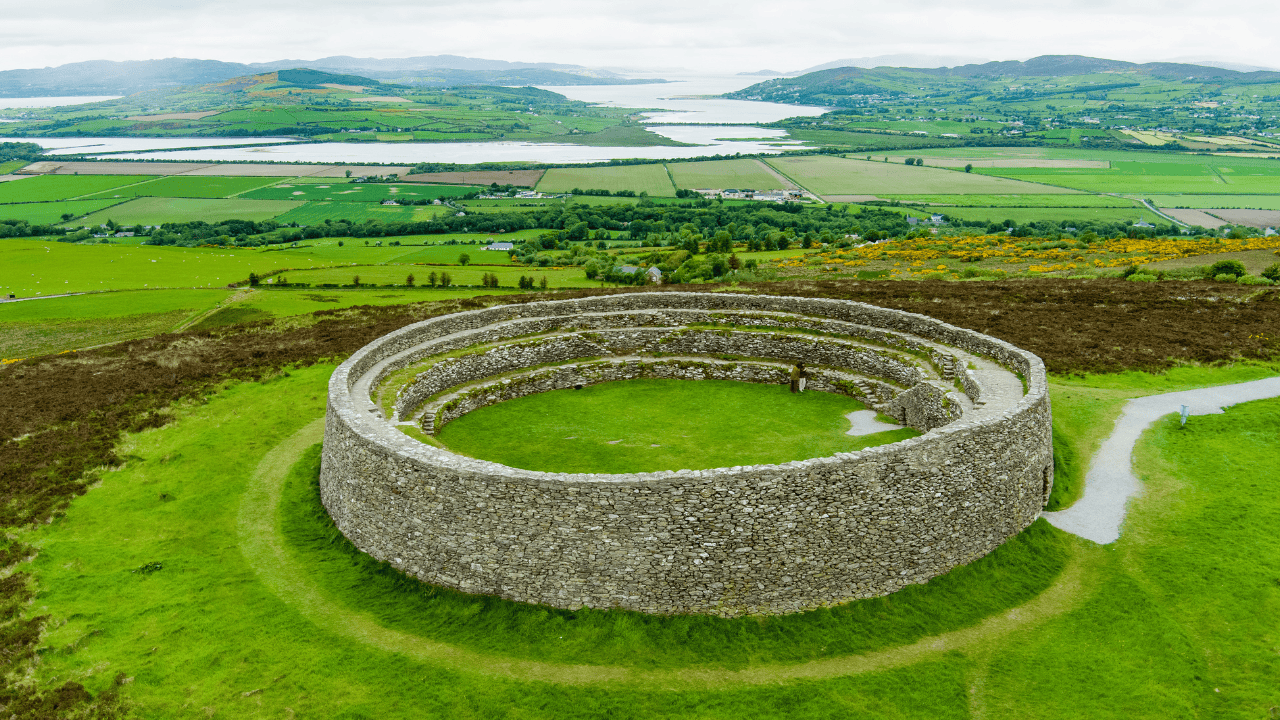
Grianán of Aileach is the best first landmark if daylight and weather allow. The ancient stone fort sits high above Burt with views across Lough Foyle, Lough Swilly and much of Inishowen. Buncrana then gives you shops, food and an easy place to settle in before starting the peninsula properly the following morning.
Campervan note: Do not try to begin the Inishowen 100 on collection day. Use the first evening to get comfortable with the van and leave the smaller roads for daylight.
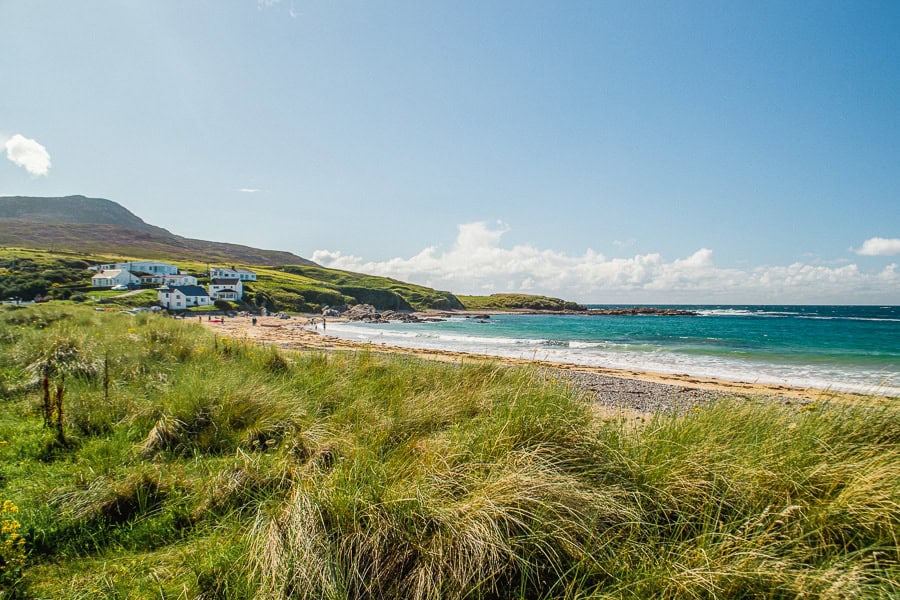
From Buncrana, follow Lough Swilly towards Fort Dunree before continuing around the peninsula. Fort Dunree combines coastal views with military history, while the road towards Mamore Gap brings one of the most dramatic drives of the trip.
Mamore Gap is steep, narrow and exposed. In clear conditions it is a memorable drive, but it is not essential. If the weather is poor or you are uncomfortable with steep roads, use the easier mapped route towards Clonmany.
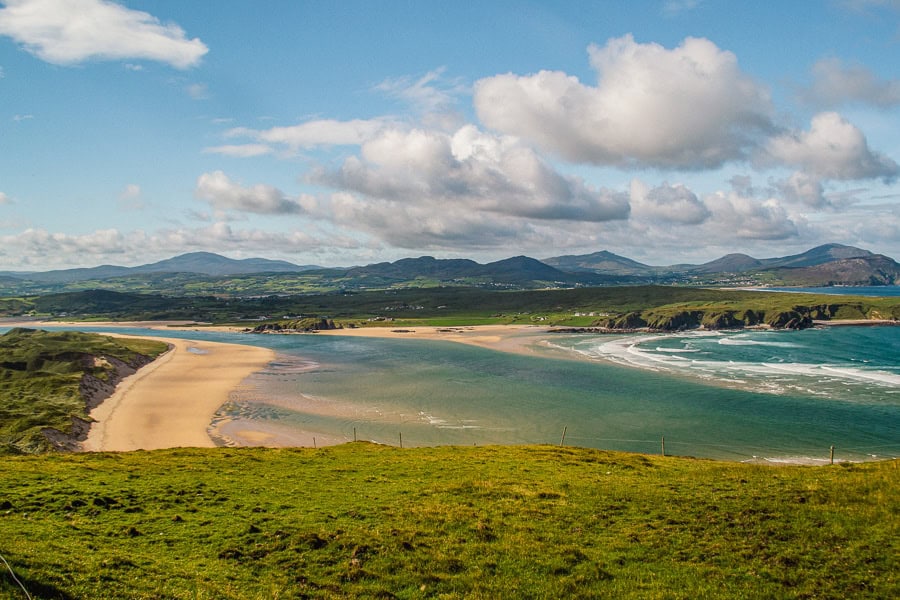
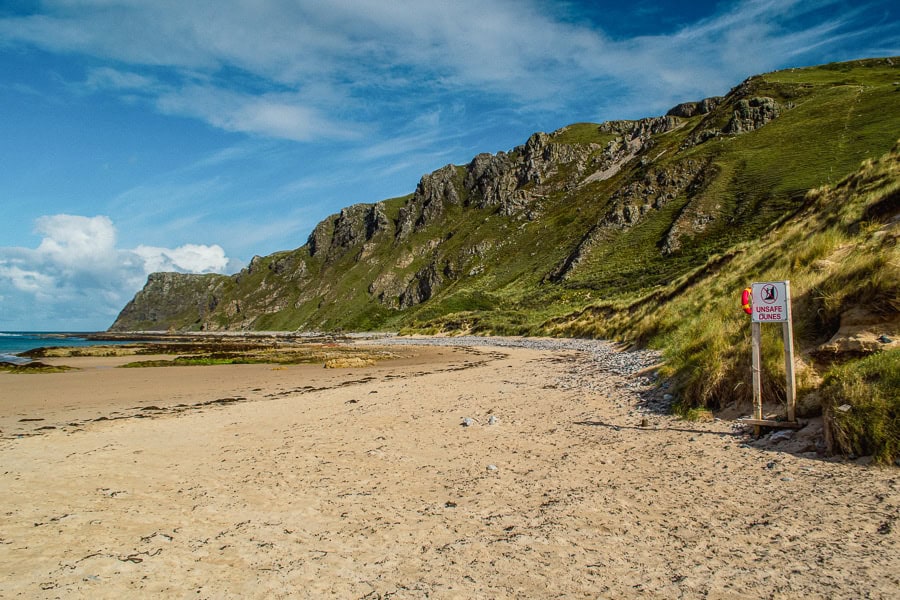
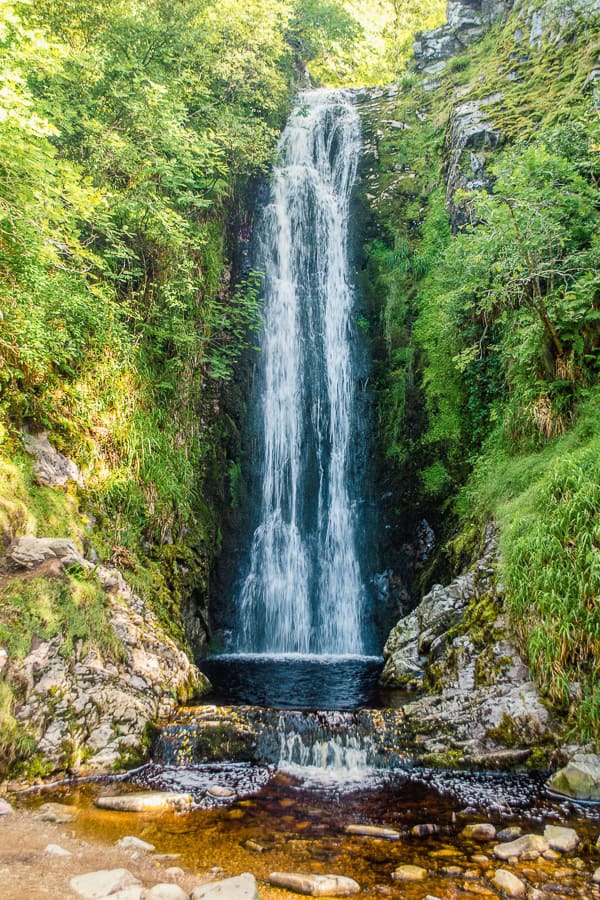
Glenevin Waterfall is a short woodland walk near Clonmany and works well for families. From there, continue through Ballyliffin towards Five Finger Strand, Doagh Famine Village and Malin Head. For something more unusual, Wild Alpaca Way offers guided alpaca walks near Malin Head and is worth booking ahead.
Campervan note: Five Finger Strand has limited informal parking. Use only a safe space, avoid blocking access and be prepared to continue if the area is busy. Do not treat scenic parking as permission to stay overnight.
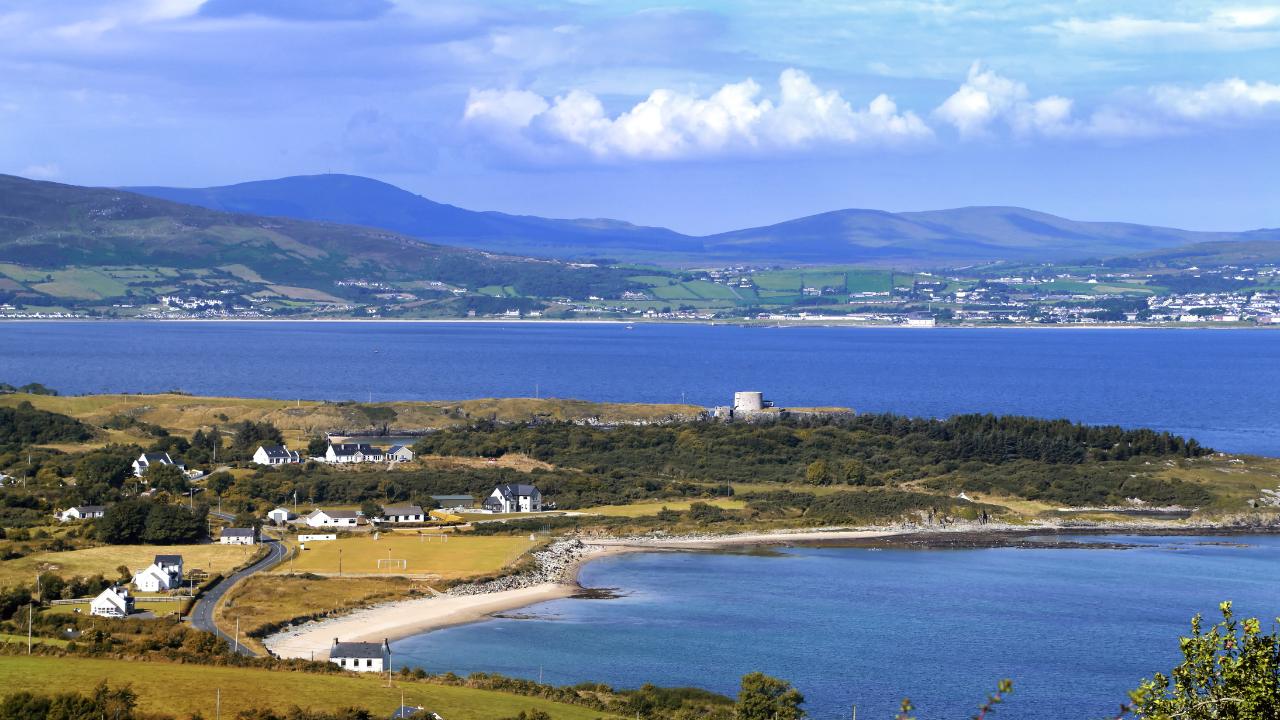
In season, the Lough Swilly ferry between Buncrana and Rathmullan creates the most enjoyable link between Inishowen and Fanad. It saves the drive around the lough and places you close to Portsalon and Ballymastocker Bay. Check the current timetable, vehicle guidance and fares before building the day around it.
If the ferry is not operating, travel inland around Lough Swilly via Letterkenny. It adds time and mileage, but it keeps the route workable throughout the year.
From Rathmullan or Letterkenny, continue towards Portsalon and Fanad Head Lighthouse. The visitor centre has parking, toilets, a café and guided tours. After Fanad, loop towards Downings and the Atlantic Drive around Rosguill, with views across Mulroy Bay and the open coast.
Campervan note: Treat the ferry as a useful seasonal option, not a guaranteed part of the route. Keep the Letterkenny alternative saved in your map and allow extra time if sailings are affected by weather.
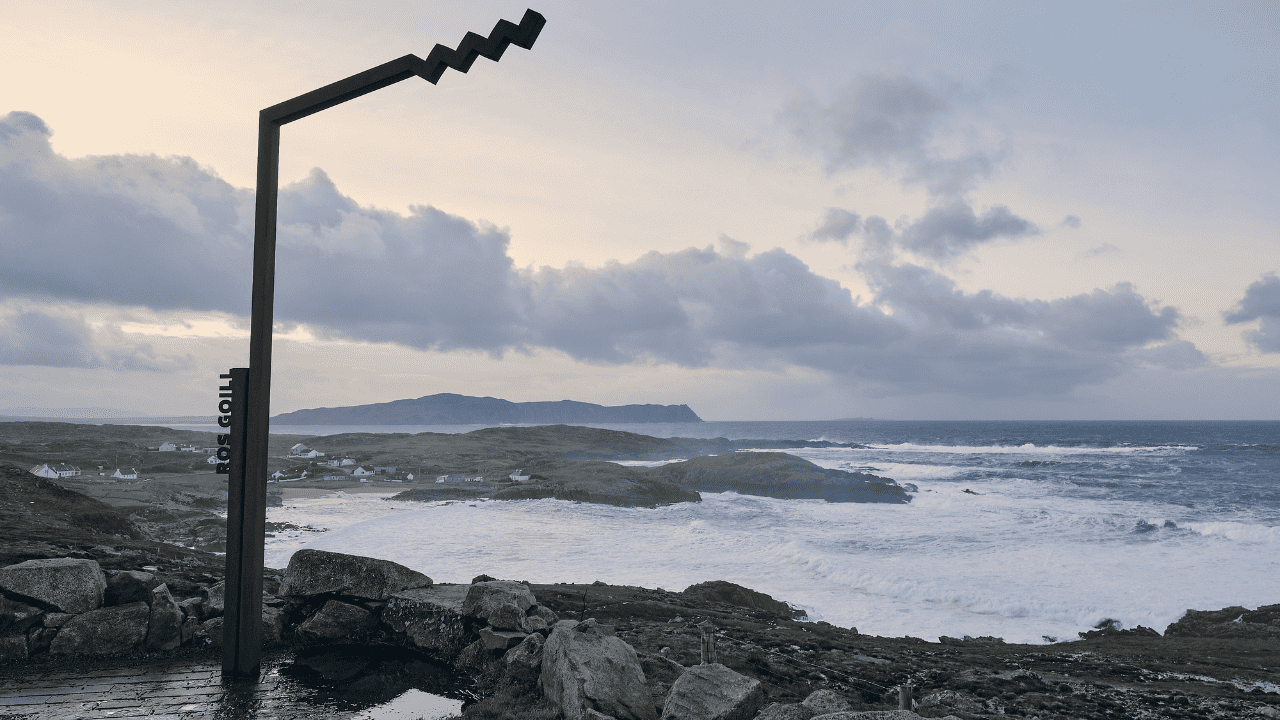
Leave Downings for Dunfanaghy, with time for Killahoey Beach or Ards Forest Park. Ards is a particularly useful stop when the weather is unsettled, with a choice of shorter woodland, shoreline and sand-dune walks.
From Dunfanaghy, continue towards Dunlewey for views of Errigal and the Poisoned Glen. Errigal's trailhead parking is limited and quickly fills in good weather, so the mountain should not be treated as a guaranteed campervan stop. Dunlewey offers excellent views without relying on the small trailhead car park.
Glenveagh National Park is nearby, but it requires separate planning. The park's current official notice states that campervans and motorhomes are not permitted in the National Park. Do not rely on parking at the visitor centre. Check the latest policy before travelling and use suitable facilities outside the park around Creeslough or Church Hill.
Campervan note: Glenveagh's restriction is easy to miss in general tourism articles. Check the National Parks of Ireland notice directly before visiting, as access arrangements may change.
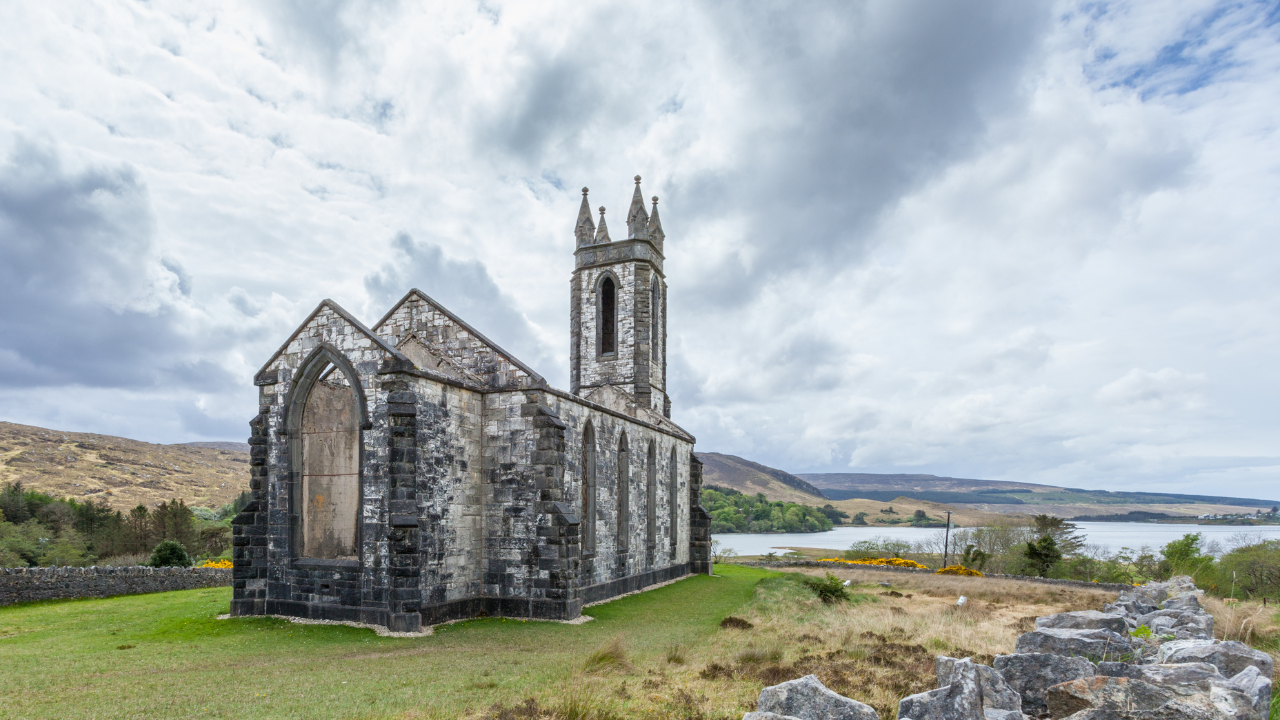
This stage crosses Gweedore and the Rosses, where Irish is widely spoken and the landscape is closely tied to music, fishing and local craft. Crolly Distillery offers a bookable visitor experience, while Leo's Tavern connects the area with the music of Clannad and Enya.
Bunbeg Harbour, Carrickfinn Beach and Dungloe are all worthwhile stops, but you do not need to fit in every one. Continue south towards Narin and Portnoo, then travel through Glenties to Ardara. Ardara is one of the best overnight bases on the route, with food, pubs, tweed shops and a good position for the next stage.
Campervan note: Some Gaeltacht signs use Irish place names. Download your map before setting off and save the Irish and English names of your main stops.
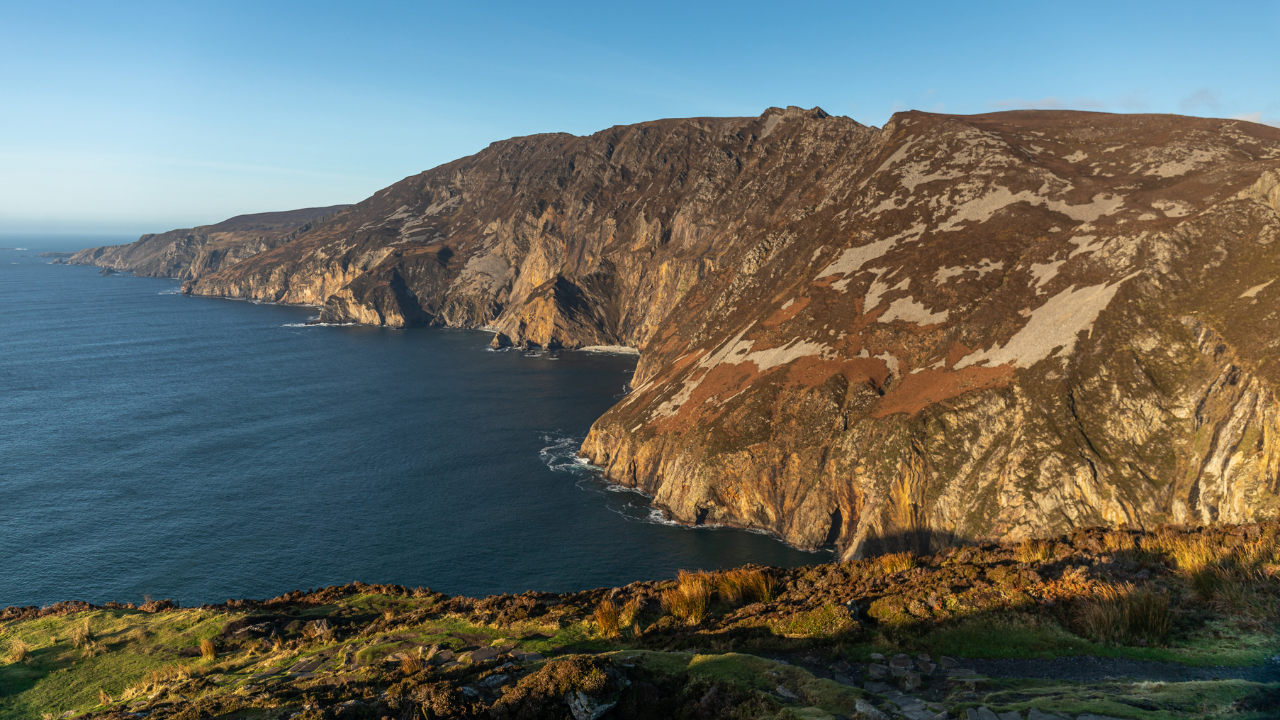
This stage is short in miles but slow in practice. Assaranca Waterfall and Maghera Beach sit west of Ardara, so visit them first before returning towards Ardara and crossing Glengesh Pass to Glencolmcille.
The caves at Maghera are accessible only when tide and conditions are safe. Check local tide times, keep well ahead of the incoming water and do not enter the caves in uncertain conditions. Glengesh Pass is steep, narrow and sharply winding. Use low gear, take your time and choose the alternative main-road route if visibility or weather is poor.
Glencolmcille Folk Village and Silver Strand at Malin Beg are both worthwhile before continuing to Teelin and Sliabh Liag. Leave the campervan at an official parking area and use the current shuttle or walking arrangements for Bunglas. Check the visitor information before setting off, as parking, access and shuttle details can change.
Campervan note: Do not combine Maghera, Glengesh and Sliabh Liag around a tight deadline. Weather, tides and narrow roads can all slow this stage, and that flexibility is part of travelling Donegal well.
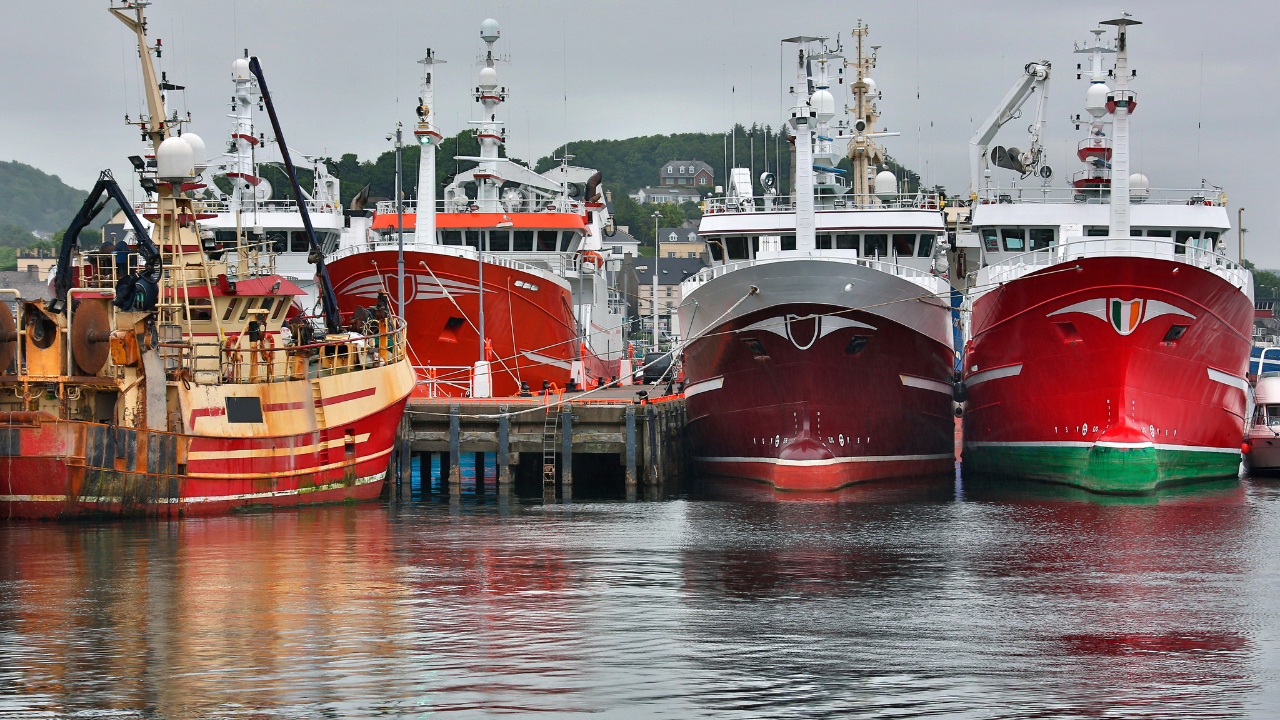
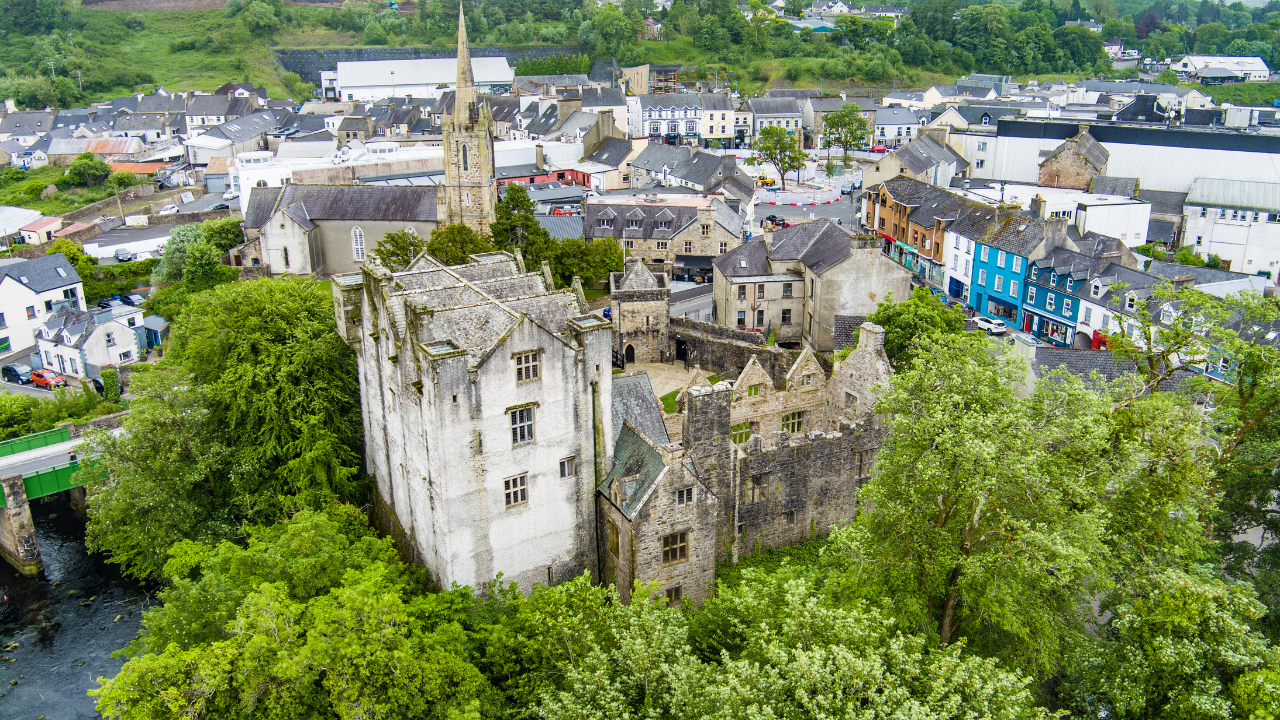
Leave Teelin for Kilcar and Killybegs, then continue towards Donegal Town. Killybegs is Ireland's largest fishing port and an obvious place to stop for seafood. Donegal Town offers a final choice of Donegal Castle, the Diamond, riverside walks and local craft before the route turns inland.
Karen & Co campervans are returned at 10:30 a.m., so do not leave the full journey from south Donegal until handover morning. Finish your sightseeing early enough to travel back into Northern Ireland and arrange a verified final overnight within easy reach of Ballymoney. Keep the final morning for the short drive to Karen & Co, refuelling and preparing the van for return.
Campervan note: Avoid unapproved overnight parking at Donegal Town pier or other scenic car parks. Follow local signs and use a campsite, official aire or location where overnight stays are clearly permitted.
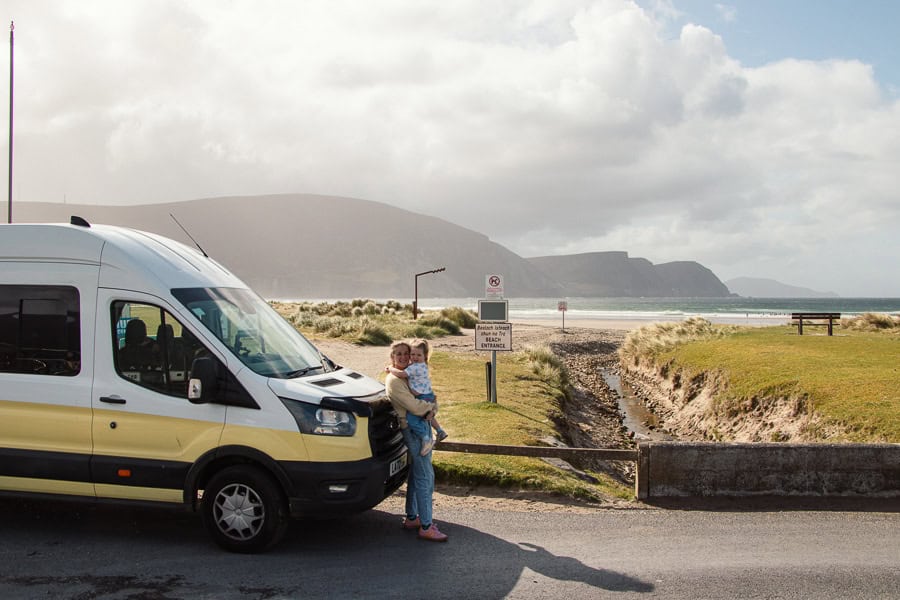
Classic campervans can travel in Northern Ireland and Donegal, but they have a restricted mileage allowance. This full loop involves a lot of ground, so map your planned stops and check the allowance with Karen & Co before booking. Premium vans offer unlimited mileage and more space for a longer trip.
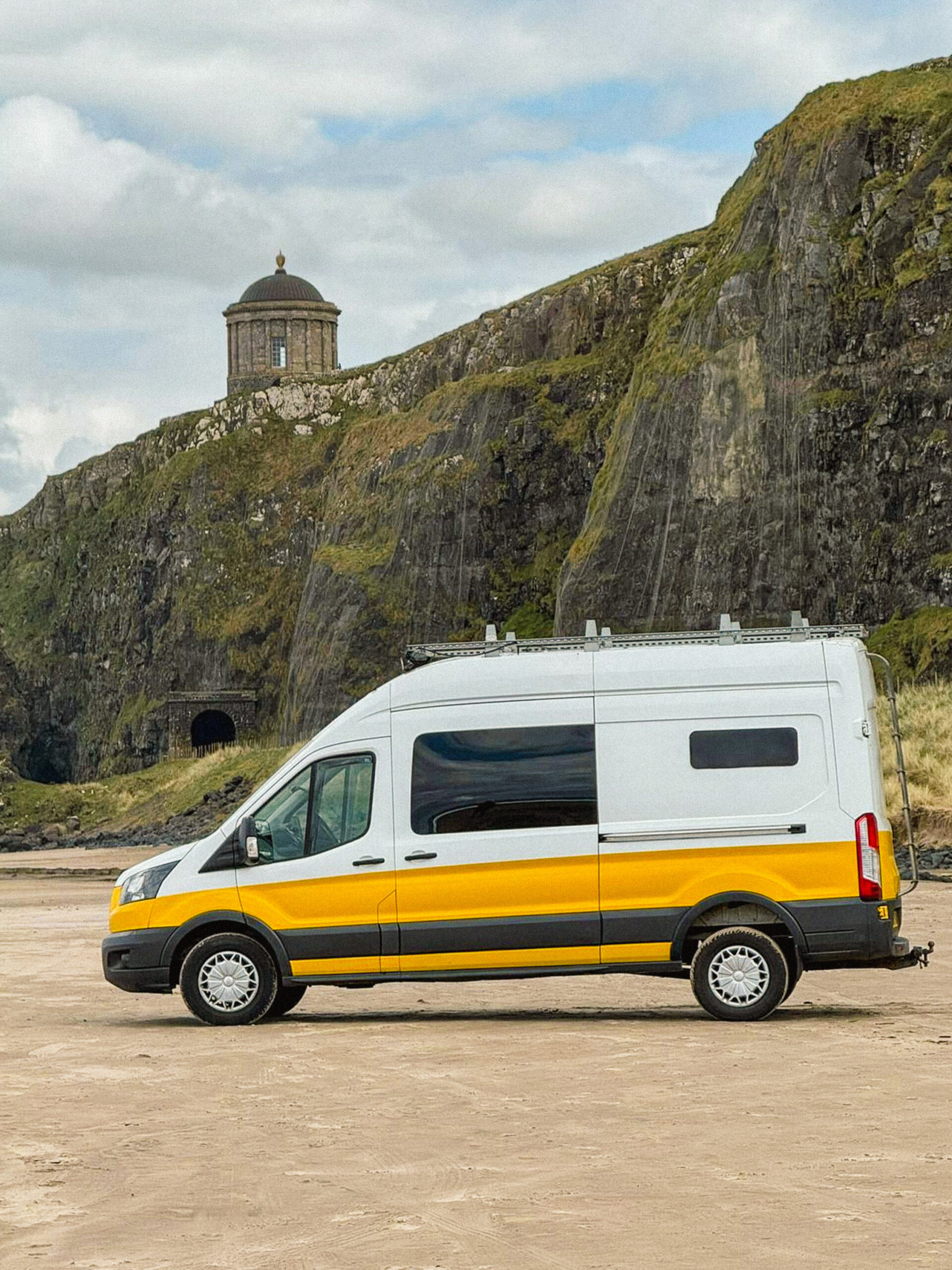
Compare the Classic campervans and Premium campervans, then choose the layout that suits your group and route. The vans shown below are Premium examples.
Donegal is not defined only by its landmarks. Some of the best moments happen between them: coffee overlooking Lough Swilly, a beach walk that lasts longer than planned, or changing direction because the mountains are hidden but the coast is clear.
A campervan gives you the freedom to respond to the weather, stay longer where the day is going well and move on without returning to the same base each evening. The route gives you a plan, but the best version will still feel like your own.
Ready to plan your Donegal road trip? Check availability and book directly for the best rates, or get in touch if you would like help choosing a campervan for your dates.

Site by Verosia Studio
Site by Verosia Studio